
























 0
0
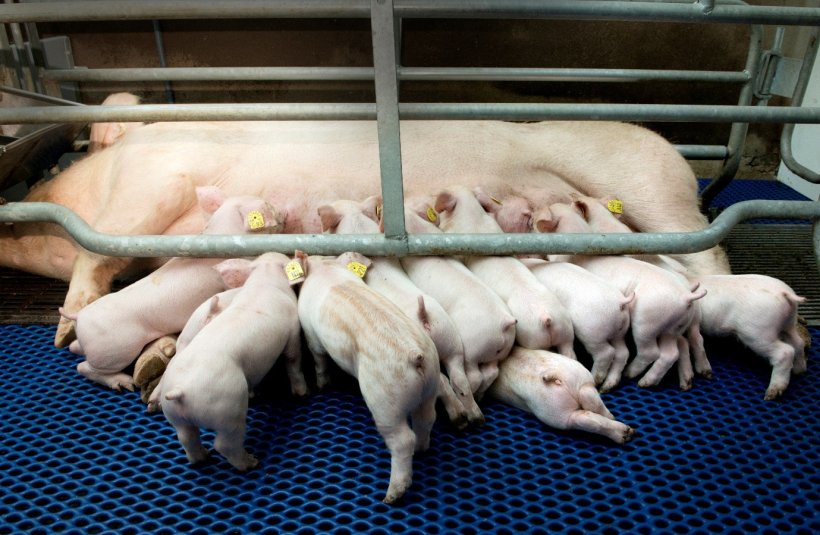
The physiological temperature of a pig is approximately 39.2°C. Signs of heat stress can occur when ambient temperatures exceed 22°C, depending on the pig’s age and production stage. At first glance, heat stress in pigs is primarily evident through behavioural changes, including reduced feed intake, panting, increased respiration rate, and decreased overall physical activity.
Heat stress, however, also disrupts a wide spectrum of physiological processes that are not readily observable and yet carry substantial production and reproductive consequences. Modern pig breeds are significantly more susceptible to heat stress, due to their higher basal metabolic rate. This is particularly critical in modern lean genetic lines and high-performing sows, where thermal load can result in reduced farrowing rates, extended wean-to-oestrus intervals, and poor offspring quality, a phenomenon commonly referred to as “summer” or “seasonal infertility.”

In this article, we provide an overview of the physiological and reproductive effects of heat stress in sows and their offspring.
Disruption of gut health and hormonal system
What happens in the sow’s body during heat stress? As a physiological response to heat stress, sows redistribute cardiac output from visceral organs toward peripheral tissues such as the skin and ears to enhance heat dissipation. As a result, blood flow to internal organs is reduced, particularly to the gastrointestinal tract. As observed in trials, heat stress compromises gastrointestinal integrity and microbial homeostasis, including:
- Decreasing the efficiency of nutrient absorption
- Inducing oxidative stress and activating immune responses, which require substantial metabolic energy, diverting nutrients away from growth and reproductive functions
- Impairing mucin synthesis and secretion which increases intestinal permeability
- Altering gut microbiota composition by reducing fiber-fermenting bacteria and short-chain fatty acid (SCFA) production, while favoring opportunistic pathogens
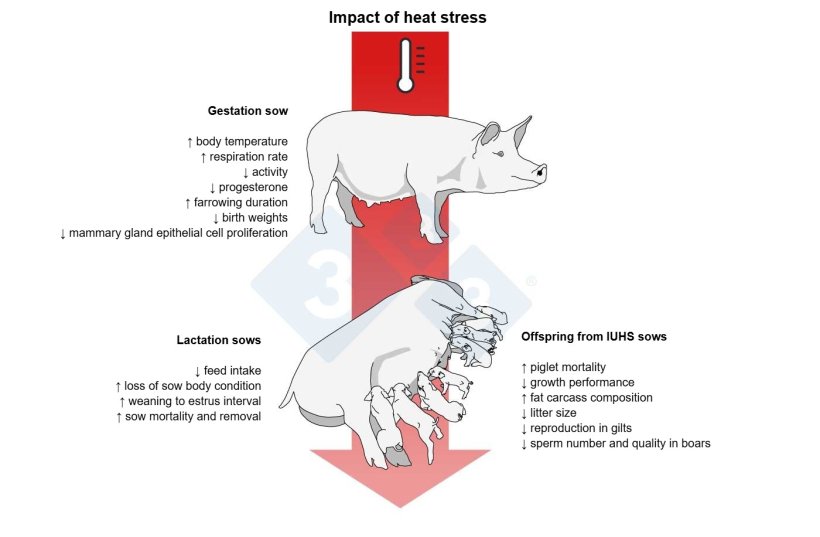
Beyond gastrointestinal effects, heat stress also disrupts endocrine regulation and reproductive physiology. These disturbances can alter the timing of puberty and oestrus expression, reduce the secretion of key reproductive hormones, and impair milk production (Figure 1). Furthermore, sows exposed to heat stress have been reported to experience significantly prolonged farrowing durations.
Impact of heat stress during lactation
Lactation is the most energy‑demanding stage in a sow’s life, and heat stress greatly amplifies this burden. Under elevated temperatures, sows reduce feed intake to limit metabolic heat production, which in turn reduces milk yield, slows piglet growth, and prolongs the weaning‑to‑estrus interval.
A meta‑analysis by Bjerg et al. (2020) shows that for every 1 °C increase above 25 °C, sow feed intake decreases by approximately 270 g/day, milk production declines by 0.184 kg/day, and sows experience an additional 1.5 kg of body weight loss over the lactation period.
Beyond these productive losses, heat stress disrupts gut integrity by increasing intestinal permeability (“leaky gut”) and elevating systemic inflammation. Combined, these physiological strains heighten vulnerability to disease and substantially increase the risk of sow mortality during the summer months.
When foetuses develop in heat stressed sows
The consequences of heat stress are highly dependent on the stage of the sow’s reproductive cycle during which the thermal challenge occurs, beginning as early as mating. Studies have demonstrated that sows bred during the summer produce a higher proportion of piglets with birth weights below 1.1 kg and exhibit lower average litter birth weights compared to sows bred in the autumn.
Certain developmental windows are particularly vulnerable, especially during foetal development. In the first two weeks of gestation, heat stress can compromise the embryo’s capacity for adequate thermoregulation, thereby impairing development and increasing the likelihood of embryonic or early foetal loss. Heat stress during the key window of foetal ovarian development (gestation days 30-60) can reduce the total number of oocytes through increased apoptosis (programmed cell death). Since sows cannot generate new oocytes after this stage, this damage can permanently lower reproductive potential.
During late gestation, heat stress exacerbates oxidative stress, resulting in damage to lipids, proteins, and DNA within ovarian and reproductive tissues. Heat stress can also redirect blood flow toward the body surface for cooling, potentially reducing uterine-placental blood flow and impairing embryonic development or causing embryonic loss.
Effects of in utero heat stress later in life
Research showed that pigs subjected to in utero heat stress (IUHS) exhibit a range of issues later in life, including poor growth performance and health, impaired reproduction performance, elevated stress sensitivity.
- Poor growth performance and health
Maternal heat stress results in poor life-time pig growth. Research suggests that piglet body weight was reduced by approximately 18% and 17% at day 10 and at weaning, respectively. IUHS pigs have poor feed efficiency as well, due to increased maintenance energy requirements. Furthermore, IUHS can alter offspring body composition. Independent of postnatal environmental conditions, research has showed that IUHS decreases protein accretion rates by approximately 16% while tending to increase lipid accretion rates by around 33% (Figure 2).
Additionally, pigs born at lower birth weights, particularly those from sows bred during summer, have been reported to exhibit greater carcass fat thickness at slaughter compared with pigs of normal birth weight.
Moreover, IUHS has been associated with impaired immune function, characterised by elevated cortisol concentrations and increased production of pro-inflammatory cytokines.
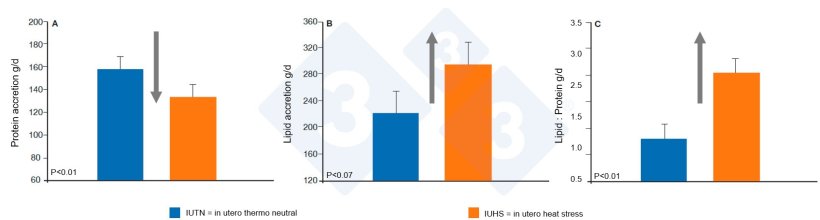
Figure 2. In uterus heat stress alters offspring body composition with reduced protein deposition while increased fat deposition. Initial body weight of experimental pigs: 62.4 ± 0.7kg. Source: Johnson, Sanz Fernandez, Patience, et al., 2015. - Impaired reproduction performance
Reproductive performance in female offspring can be affected due to fewer corpora lutea and reduced ovulation rates. IUHS gilts produce fewer total born and born alive piglets. In addition, pre-weaning mortality was significantly increased (Figure 3) in gilts exposed to IUHS, resulting in one fewer piglet weaned compared with IUTN sows (9.9 vs. 10.9). For male pigs' exposure to IUHS, sperm counts were reduced by 24%. Testicular growth rate was reduced by 35%, which indicate delayed puberty.
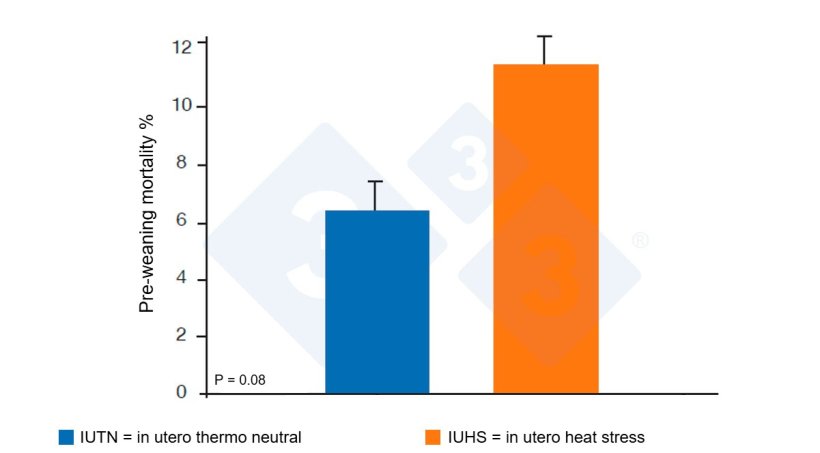
Figure 3. Pre-weaning mortality from gilt exposed to IUHS. Source: Safranski et al., 2015. - Elevated stress sensitivity and less activity
IUHS offspring demonstrated heightened physiological stress reactivity. Specifically, they exhibit elevated circulating adrenocorticotropic hormone (ACTH) concentrations and increased expression of stress-associated behaviours when exposed to routine production stressors such as weaning and transport. In addition, IUHS pigs demonstrate more aggressive behaviour, less activity and lethargy associated with poor welfare and increased sickness (Figure 4).
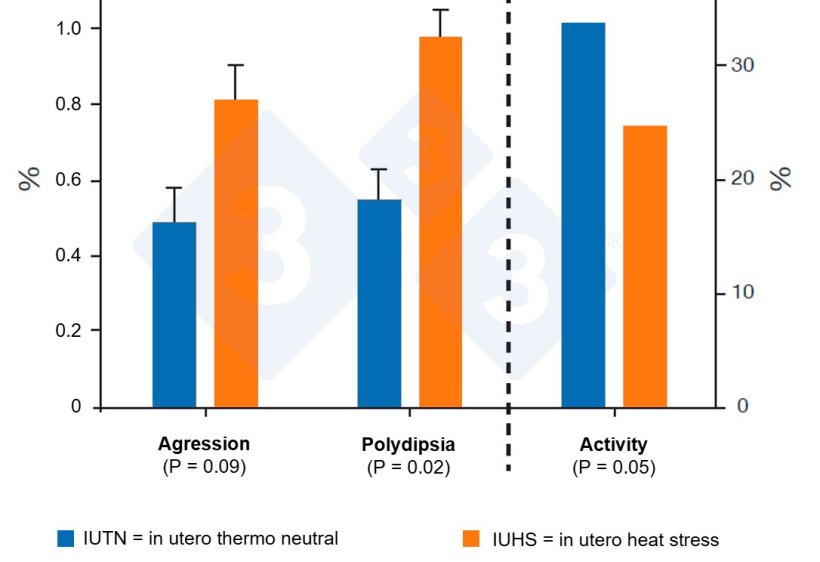
Figure 4. IUHS pigs are more aggressive and less active. Source: Byrd et al., 2019.
Conclusion
Heat stress represents a substantial risk factor for sow health and performance, including reduced fertility rates, higher risk of diseases, longer farrowing time andreduced colostrum and milk production. Moreover, heat stress in sows also induces in utero stress in unborn pigs and causes a variety of postnatal metabolic changes in pigs, such as increased foetal loss, lower birth weights, altered body composition, impaired immune competence and increased stress-associated behaviour.
The negative effects of IUHS on performance later in life as well as the precise mechanisms and critical windows of susceptibility remain incompletely understood. In the meantime, it is crucial to keep sows during mating, gestation and farrowing in their thermal neutral zone as much as possible as well as adjust the nutritional balance of the diet to safeguard sow health and optimal foetus development.