

























 0
0
Introduction
Nowadays, we are facing a difficult moment regarding sow mortality, which is becoming an increasingly important issue. According to Huang et al. (2025), mortality increased from 5.2% to 9.7% over a five-year period.
Sow mortality represents an economic cost that is often overlooked and directly impacts the final cost of production, with economic losses of up to 595 euros per sow (Muñoz et al, 2024).

A 1% mortality reduction can result in the saving of 11,05 euros per sow.
One of the factors contributing to the challenge of reducing mortality is the difficulty of diagnosis. In a study (Vara, 2025), found that:
- 93.4% of sows had pulmonary lesions
- 39.4% presented liver and/or spleen lesions
- 79.0% had bladder lesions
However, even when the lesions are identified, diagnosis remains a challenge.
Case description
The case involved a piglet production farm (Site 1) located in Ejea de los Caballeros, with 780 sows operating on a 4-week batch farrowing system. This farm works with a commercial line of Large White x Landrace hybrid sows, which is showing a concerning increase in sow mortality.
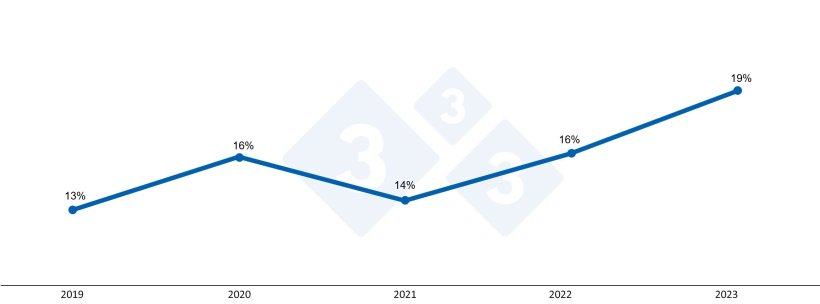
Figure 1. Percentage of annual sow mortality.
The onset of the case started early 2024, when the farm, despite being in a moment of health stability, showed concerning sow mortality data, which had worsened in recent years and became further aggravated when combined with health challenges such as PRRS infections.
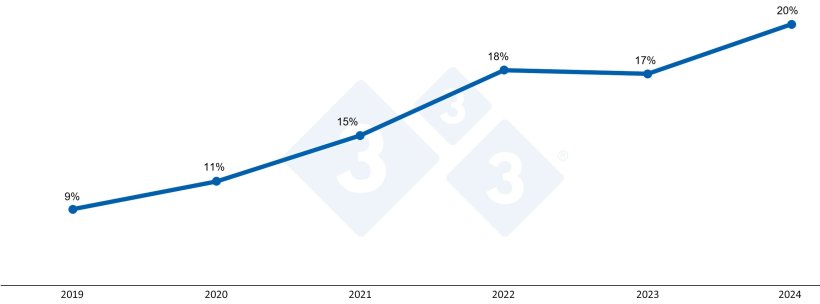
Figure 2. Percentage of sow mortality in the first quarter of the year.
As shown in figure 2, the first quarter of 2024 was the highest in recent years, with sow mortality close to 20%.This was even higher than the first quarter of 2023, when the farm had an outbreak with a highly virulent strain of PRRS (Rosalia).
The next step was to determine when the sows where dying. The data confirmed that sows were dying during the last third of gestation and the first week postpartum, with a higher occurrence in peripartum stage, as showed in the following figures.
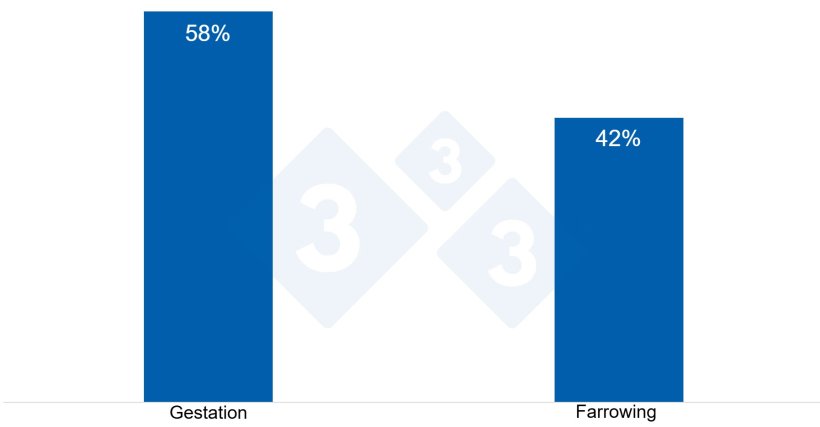
Figure 3. Distribution of mortalities according to production cycle phase.
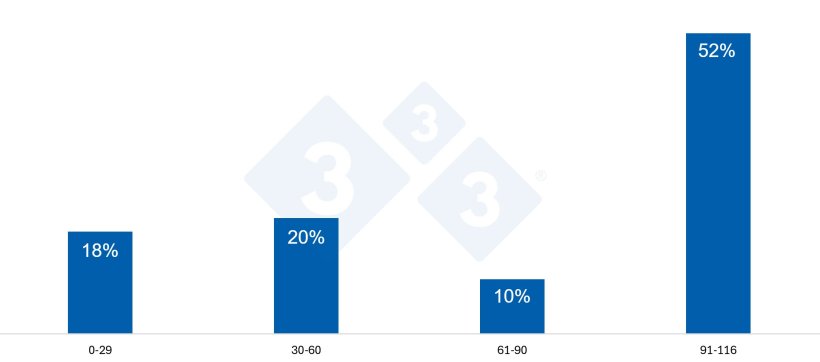
Figure 4. Distribution of deaths according to days of gestation.
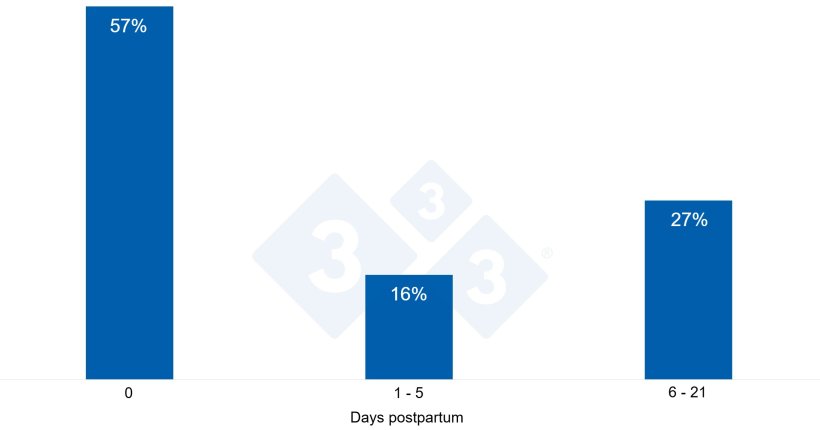
Figure 5. Distribution of mortalities according to days postpartum.
Clinical signs / necropsies
At the point, a thorough evaluation of the farm situation was carried out, including both dead sows and those showing clinical signs compatible with the early stages of the condition. The following observations were made:
- Sows identified as high risk (Figure 1):
- Pale sows with poor body condition, but no loss of appetite
- Absence of fever
- High mortality rate among affected sows
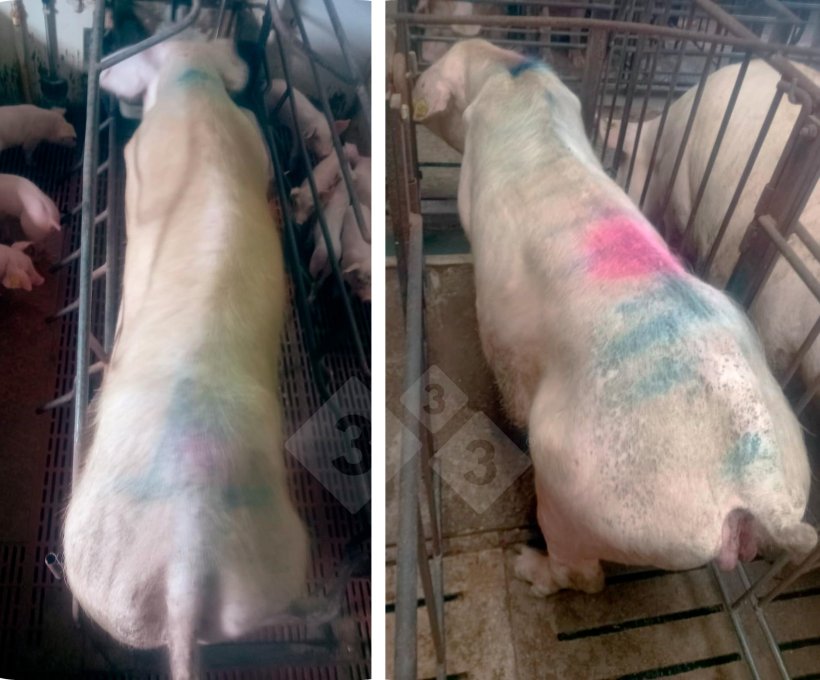
Photo 1.Sows with clinical signs.
- Necropsy findings:
- Absence of ulcers and other digestive or pulmonary disorders
- Hepatic lesions in most of the necropsied sows (Figure 2):
- Hepatomegaly
- Friable livers
- Hepatic ruptures
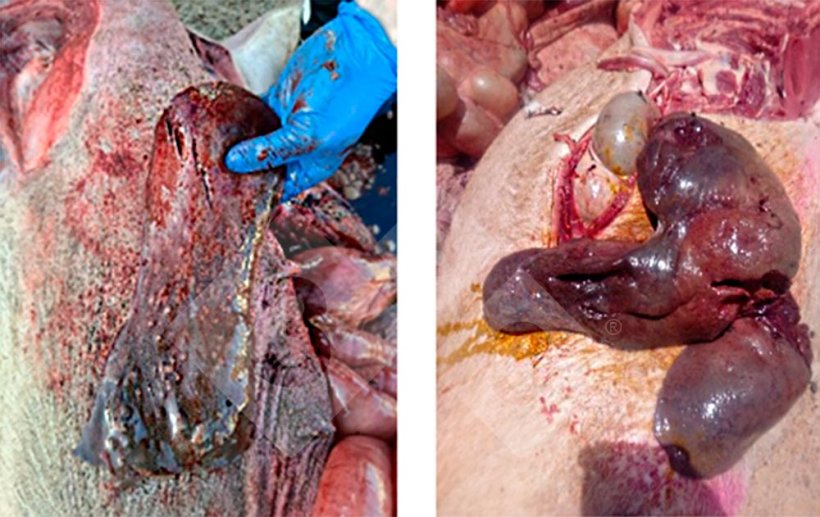
Photo 2. Hepatic lesions observed during necropsies.
Shock intervention
After ruling out biochemical and laboratory testing, and considering the high level of hepatic damage at necropsy, a decision was made to implement water-soluble complementary feed used in swine for its hepatoprotective properties. The product was administered to all sows of the farm, regardless of production stage, for 15 days. Mortality outcomes improved achieving one of the lowest average mortality rates in the past 5 years. The intervention was carried out in April 2024, circled in red in figure 7.
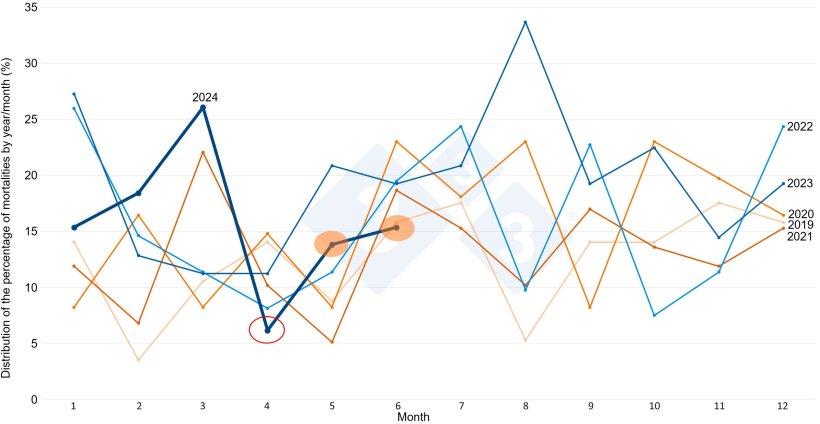
Figure 6. Distribution of relative mortality by month and year.
Additionally, it was observed that after withdrawal of the product (orange shaded), sow mortality returned to previous levels, indicating that the effect was not sustained over time.
Treatment development
Seeing how this vitamin supplement had helped in reducing sow mortality, a structured treatment protocol was developed to be implemented on the farm as a sustained intervention strategy.
The timing of sow mortality was defined based on field observations, and the treatment window was established accordingly, covering the last month of gestation and the first week postpartum, resulting in a total treatment duration of 35 days.
To ensure accurate dosing, a water-driven dosing pump connected to a 120-liter tank was used, where the water-soluble vitamin supplement was premixed at a ratio of 1 L of product per 1,000 L of water. The amount of product required per sow for the treatment was then calculated as follows:
| L product | = | 1 L product | x | 25 L water | x | 35 days | = 0,875 | L product |
| ────────── | ────────── | ────────── | ────────── | |||||
| sow | 1000 L water | sow/day | sow |
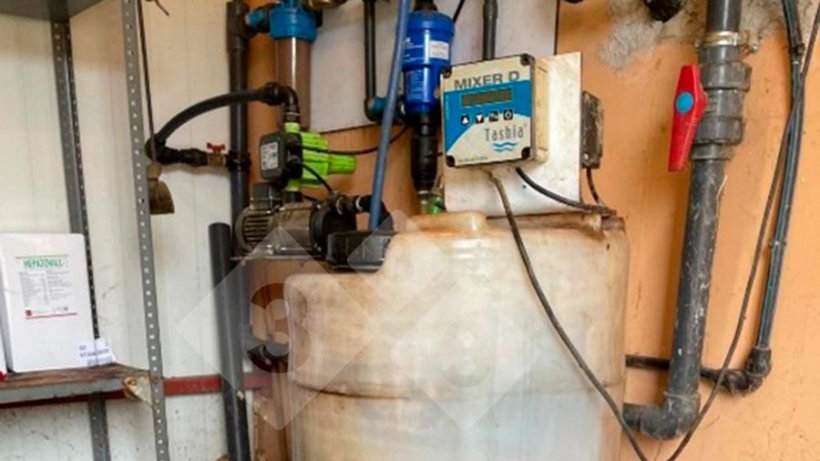
Photo 3. Method for product administration.
In order to obtain more reliable results, the trial was conducted during the months of July, August, and September. On a random basis part of the group within each batch received the product (treatment group), while the remaining animals did not (control group).
Results
If the initial results of the shock intervention were encouraging, these results were even more so. As shown in Table 2, mortality in treated sows was 1.16% compared to 7.46% in the control group.
If we consider mortality in the control group as 100% (15 dead sows), the treatment group (4 dead sows) would represent 26.67% relative mortality, resulting in a 73.30% reduction in mortality.
Table 1. Interpretation of mortality rate and mortality reduction by treatment group
| Treatment group | Control group | |
|---|---|---|
| Nº of sows per group | 248 | 201 |
| Nº of prepartum death | 2 | 9 |
| Nº of postpartum death | 2 | 6 |
| Nº death sows | 4 | 15 |
| % Mortality | 1,61 | 7,46 |
| Relative mortality | 26,67% | 100% |
| Mortality reduction | 73,30% | |
If these results were extrapolated, it can be estimated that:
- If NEITHER group had been treated, 33 sows would have died,
- If both groups had been TREATED, only 7 deaths would be expected, representing a reduction of 26 sows, equivalent to a 73.3% decrease mortality.
Economic evaluation / ROI
Based on the study, it is estimated that if all sows had been treated, the death of 26 sows would have been avoided, representing a substantial economic saving. On the other hand, the cost of the intervention must be considered, including both the product and its methods of administration. In this case, the total investment was estimated at €806. As follows there return of investment can be calculated:
| REVENUE - INVESTMENT |
|
||||
| ROI = | ───────────────────── | ROI = | ──────────────────────── | = 18,19 € | |
| INVESTMENT | 806 € |
Evolution over time
Following the completion of the study in the months of June, August, and September, the treatment was implemented throughout the entire batches during the last third of gestation and the first week postpartum. This resulted in sow mortality on the farm reaching lower levels compared to previous years, as shown below:
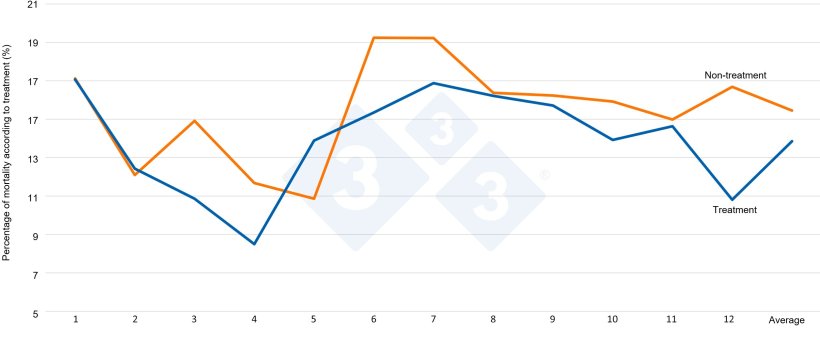
Figure 7. Percentage of relative mortality by month before and after treatment application.
Risk estimation
A cohort study was carried out in which a cohort of healthy exposed individuals and a cohort of healthy non-exposed individuals were selected.
According to data analyzed using WinEpi, treated individuals had between 1.56 and 13.72 times lower probabilities of death. Therefore, this water-soluble feed supplement is considered a protective factor.
| Observed frequencies | ||||
|---|---|---|---|---|
| Risk variable | ||||
| Exposed (treatment) | Non-exposed (control) | Total | ||
| Health status | Diseased | 4 | 15 | 19 |
| Healthy | 244 | 186 | 430 | |
| Total | 248 | 201 | 449 | |
| Expected frequencies | ||||
| Risk variable | ||||
| Exposed (treatment) | Non-exposed (control) | Total | ||
| Health status | Diseased | 10,49 | 8,51 | 19 |
| Healthy | 237,51 | 192,49 | 430 | |
| Total | 248 | 201 | 449 | |
Conclusions
It has been elucidated that certain products, such as in this case, a water-soluble feed supplement composed of B-complex vitamins, vitamin E, vitamin C, choline chloride, and artichoke extract, can help reduce sow mortality. Some of its components are indicated to support animals under conditions of deficiency, stress, or recovery, with the most relevant being:
- B-complex vitamins:
- Essential for metabolism
- Formation of red blood cell
- Support nervous system function
- Improve growth and reproductive performance
- Vitamin E:
- Antioxidant
- Improves immune response and reproductive health
- Vitamin C:
- Reduces stress and improves tissue health
- Enhances immune function
- Supports metabolic balance in compromised animals
- Choline chloride:
- Prevents fatty liver
- Facilitates lipid transport
- Artichoke extract:
- Stimulates hepatic function and detoxification
- Improves fat digestion
- Reduces the toxic effects of mycotoxins and medications
Although it may not be entirely appropriate to refer to this as a treatment for a specific condition however, its hepatoprotective effect supports metabolic function in sows and contributes to improved overall health of the animals.
This study was carried out within INNOVA initiative of Vall Companys.