

























 0
0
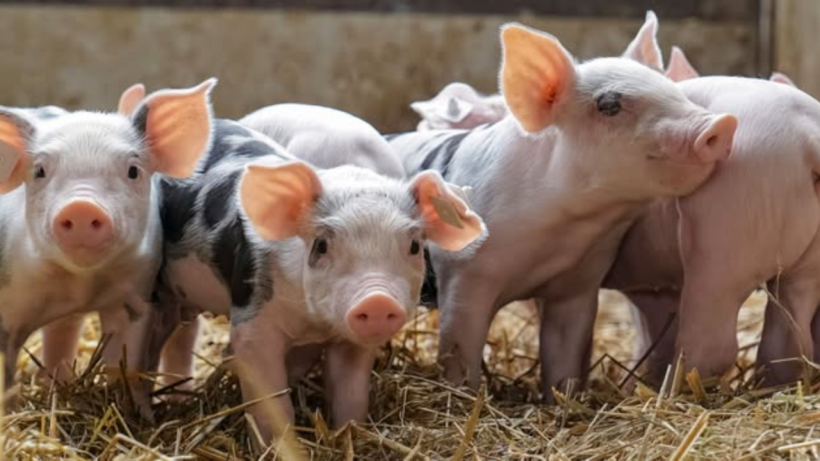
In Peru, pork has become the second most consumed protein. In 2025, average consumption reached 11 kilograms per person per year, tripling over the past decade and showing steady growth of nearly half a kilogram annually. This trend reflects both changes in eating habits and the dynamism of the production chain.
In terms of production, the country has a pig inventory of 3.7 million and produces 289,000 tons of pork. Production is concentrated mainly in Lima (46.1%), La Libertad (11.2%), and Ica (8.4%), reflecting a gradual shift toward more technologically advanced and efficient systems.

Currently, 58% of pig farming is comprised of backyard systems, 4% of family-run operations, and 38% of intensive farming. However, the latter segment accounts for 75% of the total volume, highlighting significant gains in productivity within the sector.
In addition, regulatory improvements are being promoted, including the expansion of environmental thresholds in the regulations governing the agricultural sector (RGASAR) and the strengthening of the Regulations on Comprehensive Solid Waste Management.
In the area of animal health, the National Agricultural Health Service (Senasa) is making progress with the Classical Swine Fever Eradication Plan, having declared 14 regions free of the disease, which strengthens animal health and opens up new commercial opportunities.
As a result of these developments, Peru has been granted authorization to export pork and poultry to Singapore, one of Asia’s most demanding markets, thereby solidifying its position as a competitive supplier in the international market.
April 19, 2026/ Ministry of Agricultural Development and Irrigation/ Peru.
https://www.gob.pe/