

























 0
0
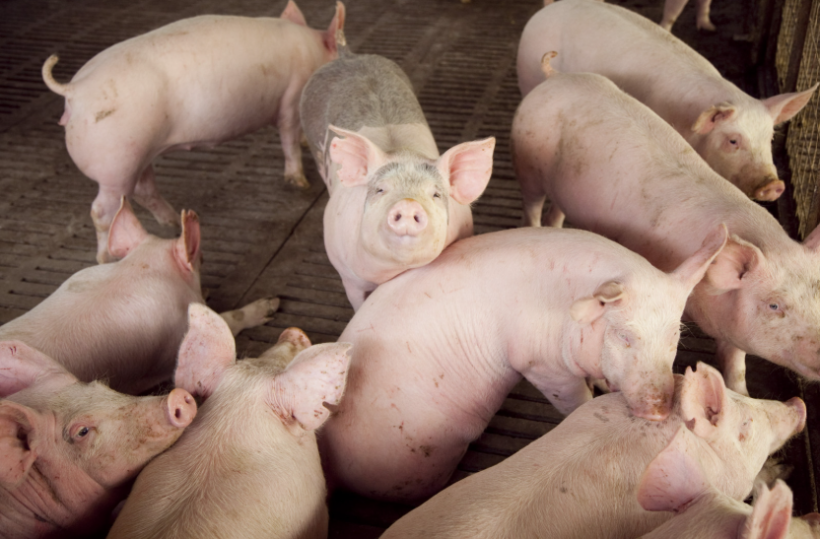
The Secretariat of Agriculture, Livestock and Fisheries of the Ministry of Economy reports that the pork industry grew during the first quarter of 2026, with a 15.7% increase in production and a 12.6% increase in slaughter compared to the same period in 2025, according to data provided by the National Directorate of Pork Production.
In March, 807,258 head were slaughtered, 18.4% more than the previous month, while production reached 76,582 tons, 20% higher than in February. Consumption exceeds 19 kg per capita per year.

In addition, from a genetic standpoint, there is also clear productive potential supporting these strong expectations, with farms reaching 41 piglets per sow per year—an indicator that places the sector among the highest standards.
In this regard, the national agriculture ministry supports the sector through various initiatives and actions that provide tools and help address emerging challenges, fostering its productive development in a coordinated manner.
Under this approach, Resolution No. 810/2026 of the National Food Safety and Quality Service (SENASA) entered into force on April 22 to monitor, control, and eradicate Aujeszky’s disease. This joint effort required time and commitment, but it raises expectations and will enable more efficient management and a stronger animal health response.
On the other hand, regarding financing to bolster the sector's growth, in addition to the product-based loans provided by the Banco de Inversión y Comercio Exterior (BICE), a new credit line was launched for the Argentine agri-food industry. This line aims to promote investments that modernize, expand, and transform production capacity. This long-term financing is available in both pesos and dollars, with a maximum amount of $6.5 billion (or its equivalent in dollars) for a 10-year term and 80% financing for investment purposes; and a 5-year term with up to 100% financing for leasing purposes.
April 28, 2026/ Agriculture, Livestock and Fisheries/ Argentina.
www.argentina.gob.ar