
























 0
0
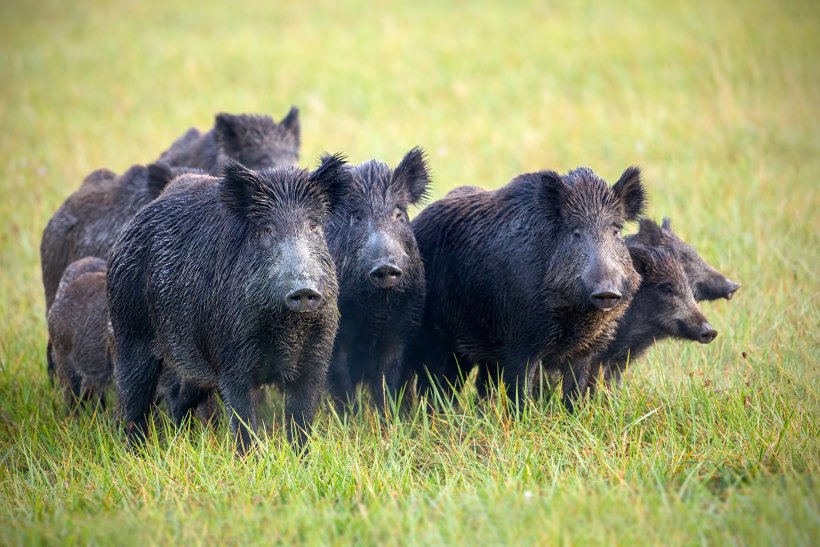
At a press conference last Saturday, the Minister of Agriculture reported on the ASF situation in Spain and how the Ministry is working to minimize the trade consequences of the outbreak.
Spain exports approximately €8.8 billion worth of pork products annually to 104 countries, of which €5.1 billion (58%) are destined for the European Union. The Minister emphasized that exports to the EU remain unaffected, except within the 20-km radius around the locations where the two wild boars tested positive, from which exports are prohibited.

Third-country exports total €3.7 billion, of which €1.1 billion corresponds to the Chinese market. Of the 104 countries, 44 require specific sanitary measures for ASF, of which 24 recognize regionalization and 20 do not.
Among the main destinations, countries such as China, the Philippines, South Korea, the United Kingdom, and Serbia recognize regionalization, which limits the trade impact. In the case of China, regionalization is at the provincial level; in the other countries, the type of geographical delimitation depends on each agreement signed and must be negotiated individually by the Ministry. However, other important markets such as Japan, Malaysia, Taiwan, Vietnam, and Mexico do not accept regionalization.
Currently, around a third of the 400 export certificates are temporarily blocked. The Ministry of Agriculture, Fisheries and Food (MAPA) is working with trade offices and agricultural advisors to reopen markets and minimize economic losses.
The minister highlighted the strategic importance of the Spanish pork sector to the economy, as it represents 40% of total livestock production and 17% of total agricultural production. Spain is the leading pork producer in the EU and the third largest in the world, with 44,500 farms and an annual production of 4.9 million tons, of which approximately 2.7 million tons are exported (1.2 million tons outside the EU and 1.5 million tons within the EU).
November 29, 2025/ MAPA/ Spain.
https://www.mapa.gob.es/