























 0
0
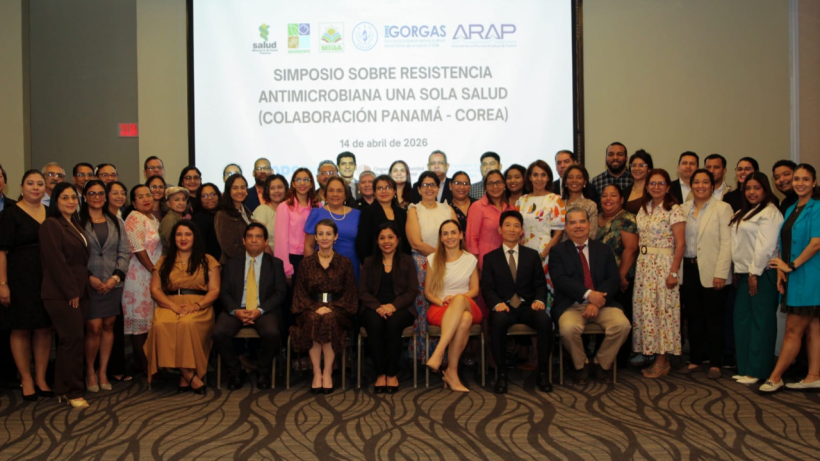
On April 16, 2026, Panama’s National Technical Committee on Antimicrobial Resistance held a symposium on antimicrobial resistance (AMR) focusing on the One Health approach, during which it presented the National Plan against Antimicrobial Resistance 2026-2030. The Ministry of Agricultural Development (MIDA) participated as an active member of the multisectoral committee, reaffirming the agricultural sector’s commitment to adopting sustainable practices that reduce antibiotic use in food production.
AMR is one of the greatest global sanitary risks of the 21st century: the loss of antimicrobial efficacy makes it difficult to treat infections in both humans and animals, increases morbidity and mortality, prolongs hospital stays, and drives up costs in healthcare systems and livestock production. In the swine sector, antibiotics have historically been used not only for disease control but also as growth promoters (a practice banned in the European Union since 2006 and subject to increasing restrictions in major meat-importing markets), making responsible management of veterinary use an increasingly required condition for market access.

The symposium, funded by the South Korean government through the World Bank and with technical support from the Pan American Health Organization, organized its discussions around three main themes: epidemiological surveillance and hospital control in human health; the use of antimicrobials in veterinary medicine and livestock production; and the presence of resistant bacteria in wastewater and the impact of agricultural practices on the environment. The conclusions were aligned with the guidelines of WHO, FAO, UNEP, and WOAH.
Reinaldo Viveros, MIDA’s National Director of Animal Health, emphasized the importance of adopting sustainable practices in livestock production as a central pillar of Panama’s response, at an event that brought together health officials, veterinarians, environmental experts, researchers, academics, and representatives of international organizations, including the Korean Embassy in Panama.
April 16, 2026/ Ministry of Agricultural Development/ Panama.
https://mida.gob.pa/