


























 0
0
The need for a comprehensive diagnosis in swine health
Anticipating infectious disease problems is essential to minimizing economic losses and ensuring animal welfare in modern swine production. Therefore, diagnostic tools must be implemented not only reactively during outbreaks, but also proactively, allowing for early detection of infectious agents to anticipate potential problems.
Traditional diagnostic approaches typically focus on detecting a limited number of pre-selected pathogens, and their identification also depends on the stage of infection and sample quality. This creates clear limitations, as many swine diseases are not caused by a single pathogen, but by complex interactions between multiple agents that contribute to the development of subclinical diseases or reduced production performance. (Vereecke et al., 2023, Microbiology Spectrum; Theuns et al., 2018, Scientific Reports).

As a result, there is a growing need for broad and comprehensive diagnostic strategies that provide an unbiased view of the pathogens present on the farm and help predict health outcomes. Metagenomic sequencing offers this perspective, providing a complete picture of the viruses and bacteria present in a sample without the need for prior selection (Vereecke et al., 2023, Microbiology Spectrum; Theuns et al., 2018, Scientific Reports; Charlier et al., 2026, BMC Veterinary Research). This is possible thanks to the random sequencing of genetic material using nanopore sequencing technology.
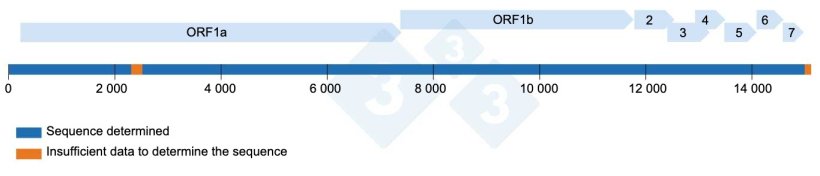
Figure 1. Complete genome of a sample.
The most recent advances also allow the direct detection of bacterial virulence factors, improving the differentiation between commensal microbiota and true pathogens.
Monitoring and early detection before the onset of clinical problems
The implementation of metagenomic monitoring represents a shift from traditional diagnostics, which focused on confirming the presence of a few suspected pathogens, to a more comprehensive and predictive approach. Instead of asking, "Do I have this specific pathogen?", metagenomic sequencing allows veterinarians to ask, "What is present in this sample?"
These technologies enable more comprehensive identification of infectious disease complexes and facilitate the monitoring of health risks, even in clinically healthy animals. They also help reveal the potential role of pathogens that have historically received less attention. By establishing baseline viral and bacterial profiles through routine metagenomic monitoring, farms gain a clearer longitudinal understanding of pathogen dynamics, facilitating earlier interventions and better prioritization of control measures.
In multiple monitored farms in Spain, consistent patterns are observed: Streptococcus suis and Escherichia coli frequently show a high prevalence in various sampling matrices, including respiratory, intestinal and systemic samples (Ramis et al., 2026, unpublished results). Furthermore, the analysis of virulence factors allows the identification of the different pathotypes present on the farm and their association with the onset of clinical signs (Panattoni et al., 2026, Microbiology Spectrum; Ramis et al., 2026, unpublished results).
Metagenomic data also frequently reveal the presence of rotavirus as a common component of the microbial background, contributing to the overall infectious pressure in piglets. Understanding these baseline patterns facilitates the implementation of preventive measures in key areas such as vaccination, nutrition, biosecurity, genetics, environmental management, and animal husbandry (Schyns et al., 2025, Porcine Health Management; Stadler et al., 2024, Transboundary Emerging Diseases).
Among viral pathogens, PRRSV remains one of the most impactful agents in swine production. One of the main advantages of metagenomic sequencing is its ability to provide complete genomic information from routine samples, enabling accurate genetic characterization immediately after diagnosis. This facilitates a better understanding of viral circulation, the detection of silent transmission phases that may escape PCR or serology, and the monitoring of viral evolution at the farm and regional levels.
The influenza virus is also frequently detected, even on vaccinated farms, and its role extends beyond causing cough or fever. Influenza compromises mucosal defenses, creating favorable conditions for secondary bacterial infections. Sequencing datasets often show increases in pathogens such as Actinobacillus pleuropneumoniae, Pasteurella multocida, and Glaesserella parasuis following influenza virus activity, highlighting the interaction between viral and bacterial dynamics in swine populations (Panattoni et al., 2026, Microbiology Spectrum; Vereecke et al., 2023, Microbiology Spectrum; Ramis et al., 2026, unpublished results).
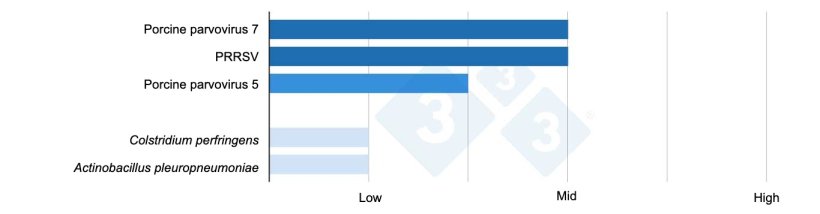
Figure 2. Results of metagenomic sequencing from a pool of lung tissue from five nursery piglets (12 weeks) with lethargy, reduced appetite, increased mortality, nasal discharge, coughing, and sneezing.
Non-targeted metagenomics also facilitates the detection of less frequently investigated pathogens. Farms often show episodic increases in microorganisms such as Trueperella pyogenes, Bordetella bronchiseptica, Mycoplasma hyorhinis, and Salmonella spp. (Ramis et al., 2026, unpublished results). Although these bacteria do not always trigger clinical disease, their presence at high levels often reflects a compromised immune state, poor air quality, or situations of nutritional stress.
Early identification allows for rapid adjustment of factors such as ventilation, animal density, feeding transitions, and the mineral balance of the diet.
From data to decisions: How monitoring transforms farm management
When interpreted systematically, pathogen profiles become key performance indicators (KPIs). Farms that incorporate routine metagenomic monitoring report benefits such as:
- Earlier recognition of immunosuppression periods
- Greater precision in the timing of vaccination programs
- Improved planning of acclimatization programs for gilts
- Detection of emerging, new, or previously underestimated pathogens before clinical onset
- More tailored nutritional strategies during sensitive phases, reducing reliance on antimicrobials
Nutrition plays a crucial complementary role. Stabilizing the gut ecosystem, reducing oxidative stress, and supporting immune function through functional ingredients can significantly decrease the risk of opportunistic infections. These strategies, aligned with modern One Health principles, strengthen sanitary resilience without relying on medication.
Conclusion
Continuous health monitoring transforms data into actionable knowledge. By combining metagenomic surveillance with structured biosecurity, vaccination, environmental management, and strategic nutrition programs, farms can prevent problems instead of reacting to them.
The constant detection of S. suis, E. coli, PRRSV and respiratory viruses such as influenza highlights the complexity of interactions between pathogens, but also underscores the existing opportunities for more proactive and informed decision-making.
Integrating comprehensive monitoring systems into the routine management of farms allows veterinarians and producers to build healthier and more robust herds in an increasingly demanding production context.