

























 0
0
After a comparatively calm start to the month, sentiment gradually deteriorated across the entire supply chain. What initially appeared to be a stable spring market developed within a few weeks into a period of growing uncertainty. Discussions surrounding pork sales, pricing pressure from slaughter companies and the resulting corrections in pig and piglet prices became the defining themes of the month.
At the beginning of May, the slaughter pig market remained largely balanced. Available supplies were sufficient to meet demand from slaughter companies without creating significant surpluses. At the same time, hopes remained high that the start of the barbecue season would provide additional momentum to pork consumption. Sunny weather and several public holidays initially fuelled expectations of stronger meat sales. In reality, certain cuts such as necks and other barbecue products sold somewhat better. However, a broader market recovery failed to materialise. Slaughter companies continued to report difficult trading conditions and an ample supply of pork across European markets.

Slaughter companies force a correction in pig prices
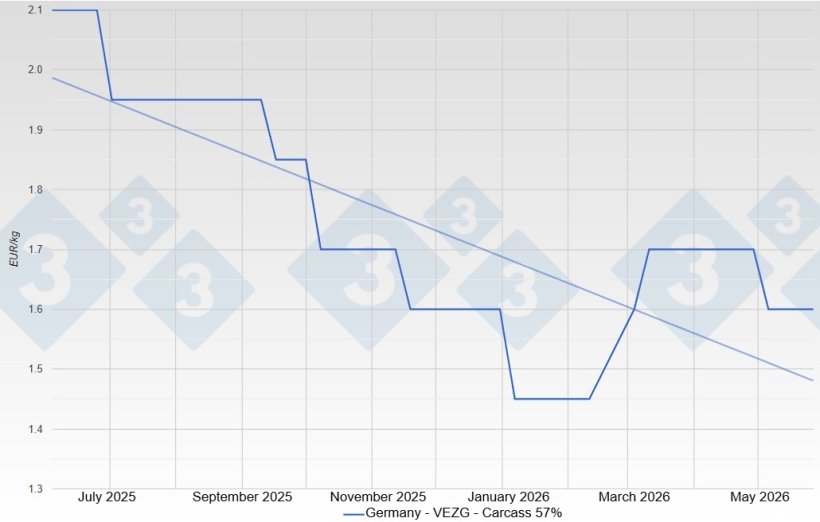
As the month progressed, pressure on slaughter pig prices increased significantly. Leading slaughter companies publicly expressed dissatisfaction with their margins and demanded noticeable price reductions. In some cases, slaughter days were cancelled or throughput was reduced in order to reinforce these demands. This development sparked considerable debate throughout the industry. Many producers pointed out that the supply of market ready pigs was by no means excessive and therefore questioned the justification for such a sharp price decline. Nevertheless, the slaughter companies ultimately prevailed. The German pig price fell from €1.70 to €1.60. For a month that would normally benefit from seasonal barbecue demand, this was a remarkable development. Unsurprisingly, uncertainty among producers increased considerably. Although the market stabilised following the correction, confidence in a rapid recovery remained limited.
Piglet market loses momentum
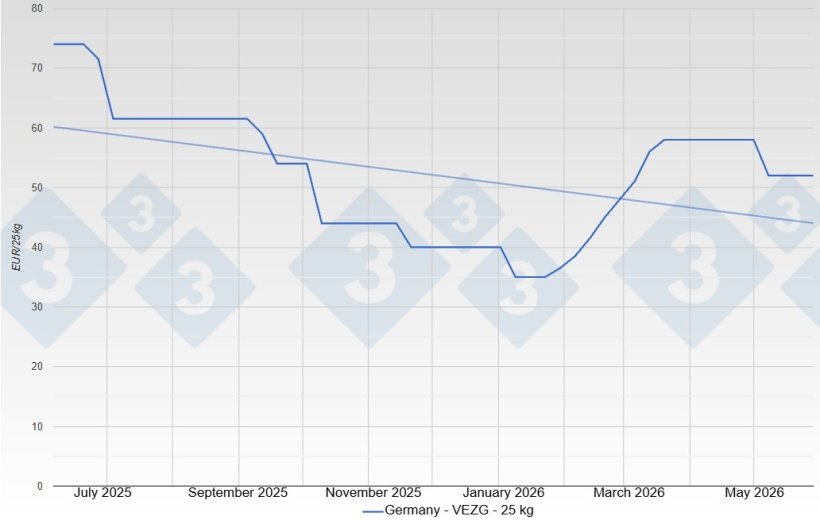
The impact was even more pronounced in the piglet market. At the beginning of the month, piglets were still finding buyers without difficulty and prices remained unchanged. Once slaughter pig prices came under pressure, however, the situation changed rapidly. Finishers became more cautious and adjusted their calculations accordingly. Free piglet batches became more difficult to place and market pressure intensified. As a result, piglet prices also moved lower. The German association price for a 25 kilogram piglet declined from €58.00 to €52.00. Demand, which had appeared stable only a short time earlier, lost momentum within a matter of weeks.
Sow market also comes under pressure
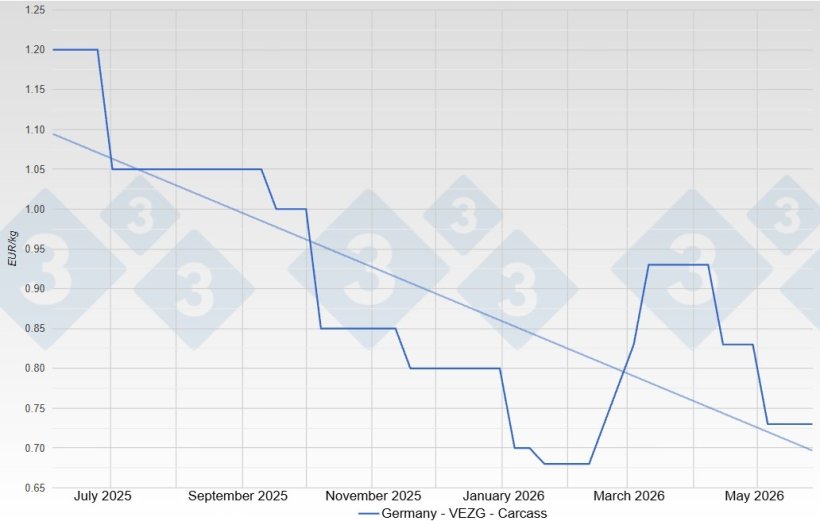
The sow market also weakened during May. Demand for sow meat remained subdued, particularly from the processing industry. Numerous public holidays and reduced production schedules contributed to more cautious purchasing behaviour. At the same time, supplies remained sufficient. As a consequence, sow prices were reduced significantly as well. For many producers, this created additional economic pressure as several market segments weakened simultaneously.
Political and structural developments in the sector
Alongside the traditional market developments, political and structural issues also attracted considerable attention during the month. A broad alliance of agricultural organisations, meat industry representatives and food retailers issued a joint statement regarding planned amendments to Germany’s animal husbandry labelling legislation. While several proposed adjustments were welcomed, the organisations continued to criticise the prospect of additional bureaucracy and rising administrative burdens. The debate highlighted the industry's ongoing effort to find practical solutions that satisfy both political objectives and economic realities.
Another important development for the German pig sector was the announcement of a major ownership change in Bavaria. The Austrian Marcher Group acquired a majority stake in the slaughter facilities at Landshut and Vilshofen. These sites had previously been taken over by “Erzeugergemeinschaft Südbayern” following Vion’s gradual withdrawal from Germany. The transaction was viewed positively by many market participants because it secures important slaughter capacity. Against the backdrop of ongoing consolidation within the slaughter industry, every decision regarding slaughter locations and capacities carries considerable significance for producers. The deal also underlines the continuing structural transformation taking place within the meat sector.
ASF remains a risk factor
African swine fever remained an important issue as well. New cases detected in wild boar in North Rhine Westphalia resulted in an expansion of existing restriction zones. Although the immediate impact on prices was limited, each new case serves as a reminder of how vulnerable the sector remains. The disease continues to represent a risk that could disrupt markets at any time.
European market: relative stability, but little optimism
Across Europe, market developments were mixed. While Germany experienced a notable price decline, quotations in Spain, France and Denmark initially remained stable. Nevertheless, sentiment in those countries was far from optimistic. European pork markets were generally considered well supplied, while demand often fell short of expectations. At the same time, geopolitical uncertainties and rising transport costs weighed on trading conditions. Competition on international export markets remained intense, with Brazil in particular strengthening its position as a major competitor. On a more positive note, Asian buyers continued to show interest in European pork.
Another important factor was the movement of pigs and piglets within Europe. Piglet imports into Germany continued to increase, with Denmark expanding its deliveries in particular. Imports of slaughter pigs, on the other hand, declined. This development highlights Germany’s continuing importance as a major finishing location within Europe and illustrates the close integration of European pig markets.
Outlook: the market anticipates tighter supplies
Looking ahead, market participants remain cautious. On the one hand, many expect the supply of slaughter pigs to decline in the coming weeks due to seasonal factors. Fewer pigs coming onto the market could provide support. On the other hand, it remains uncertain whether pork demand will gain sufficient momentum. Expectations continue to rest on the barbecue season and stronger consumer spending. At the same time, economic conditions remain challenging. Margins throughout the supply chain are under pressure, while ongoing political discussions about animal welfare, origin labelling and housing systems continue to create uncertainty.
As a result, May ended with a very different market picture than the one seen at the beginning of the month. Price declines for slaughter pigs, piglets and sows weakened confidence across the sector. At the same time, there are signs that the market may have found a temporary floor following the correction. Whether this develops into a firmer market during the summer will depend largely on whether pork demand strengthens and whether the anticipated decline in supply actually materialises. The coming weeks are therefore likely to be decisive for the further direction of the German pig market.