

























 0
0
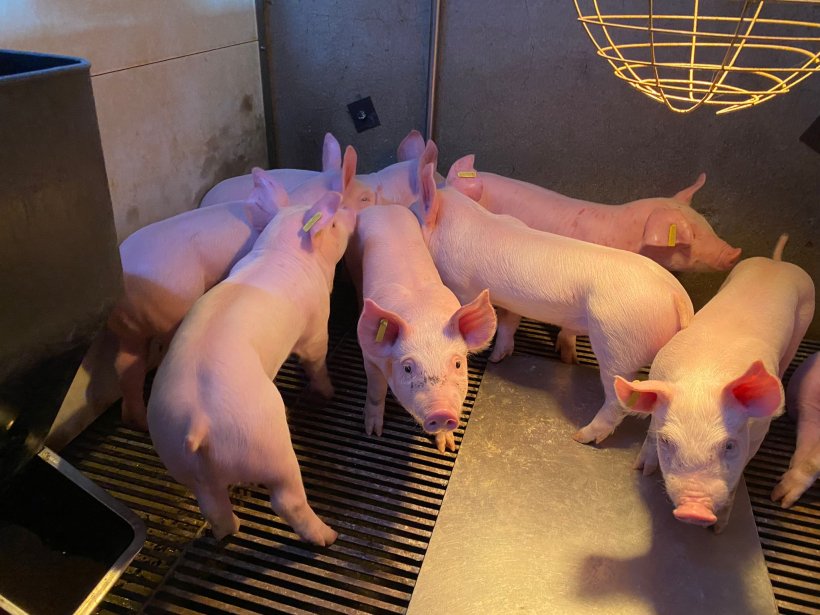
The pig farming sector in Minas Gerais is experiencing a scenario of technical and economic contradiction. While the price of live pigs plummeted 36.1% in the first four months of 2026, falling from R$ 8.30/kg in January to R$ 5.30/kg in April, the 2025 Minas Gerais Pig Farming Census reveals the structural cause: an unprecedented leap in productivity that flooded the market.
The analysis, based on official data from the Minas Gerais government, obtained through a partnership between ASEMG and UFMG—a unique project in Brazil—provides important information for the market: the number of breeding sows in Minas Gerais decreased slightly, from 339,763 in 2024 to 338,695 in 2025 (a drop of 0.31%). However, total production jumped to 4,150,088 tons, a growth of 9.65% in the volume of pork available.

Oversupply and margins in the red
This paradox explains the deflationary pressure plaguing pig farmers in the state. Efficiency in genetics, health, and nutrition, along with the constant use of embedded technologies, has enabled the production of almost 10% more pork with a smaller herd, generating an oversupply that the domestic market has not been able to absorb at the same speed.
With production costs around R$ 6.20/kg, the current selling price of R$ 5.30/kg imposes an operational loss ranging from R$ 0.50 to R$ 0.80 per kilogram. This scenario jeopardizes the financial sustainability of a chain that generates 200,000 direct and indirect jobs in Minas Gerais.
Data intelligence as a survival tool
The release of the 2025 census is not merely a statistical formality, but a strategic response to the crisis. With the publication of data for the second consecutive year, pig farmers in Minas Gerais have access to a detailed X-ray of the competition and regional supply availability, enabling adjustments to financial goals and more assertive commercial strategies.
“Minas Gerais producers were victims of their own competence. We delivered a technological leap that was not accompanied by price equilibrium. The Census is the tool the sector needed to understand that the answer to this downturn is not just to produce more, but to better manage supply and costs,” says Donizetti Ferreira Couto, president of ASEMG. To access the data click here.
May 11, 2026/ ASEMG/ Brazil.
https://www.asemg.com.br