

























 0
0
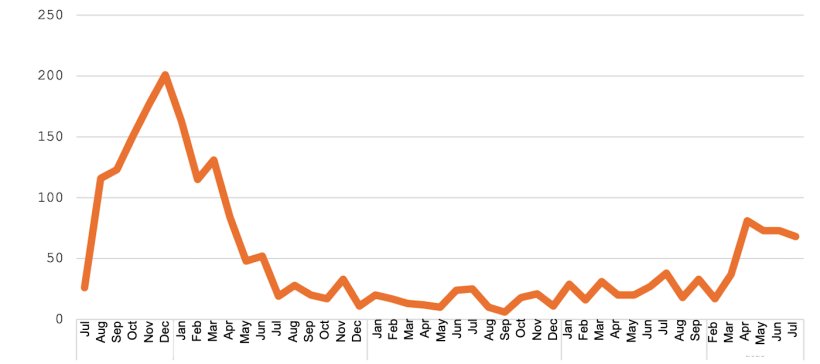
In July 2021, ASF was officially detected in the Dominican Republic. Although Dominican authorities quickly implemented an emergency response plan, a lack of resources and technical capacity hindered the deployment of an aggressive surveillance program and the ability to restrict animal movement. As a result, the disease spread throughout the country, leading to the death or depopulation of about 50% of the national swine herd.
According to official statistics from the Ministry of Agriculture, local pork production declined by 15% since ASF was first detected in the DR, dropping from 100,830 MT in 2021 to 85,560 MT in 2024. When factoring in import volumes during that period, and considering that imports have grown by 105%, it is likely that the DR’s domestic production decline is actually much greater.

ASF is or has been present in almost every corner of the DR, with confirmed outbreaks in 28 out of 31 provinces of the country. The most affected province has been Monte Plata followed by Maria Trinidad Sanchez and Santiago.
Based on current conditions, the ASF situation in the Dominican Republic is expected to persist through the near and long term. Without continued external support, disease detection and reporting could decline even as transmission remains constant or increases.
December 3, 2025/ USDA/ United States.
https://apps.fas.usda.gov