

























 0
0
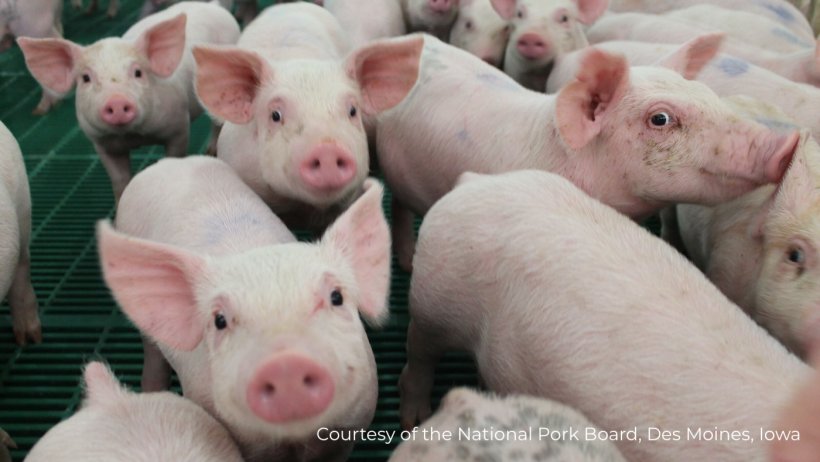
Indirect risks from Middle East tensions, rising input costs, and shifting China and EU production dynamics are reshaping margins and trade in global pork markets, according to Rabobank's Global pork quarterly Q2 2026 report.
The direct impacts of the conflict in the Middle East on global pork markets are limited, but indirect risks continue to build across costs, trade, and supply chains. Rising feed, fuel, and packaging costs are expected to pressure margins in the second half of 2026, even as inflation encourages consumers in many markets to trade down to pork, helping support demand. At the same time, global production dynamics are shifting.

In China, historically low hog prices driven by rapid productivity gains are pushing producers toward additional herd reductions, reshaping global supply expectations. In the EU, lingering ripple effects from last year’s African swine fever outbreak in Spain are disrupting trade flows and weighing on margins, rather than materially tightening supply. Together, these forces underscore a complex outlook where affordability supports consumption, but cost inflation and regional disruptions continue to define industry risk.
April 22, 2026/ Rabobank.
https://www.rabobank.com