

























 0
0
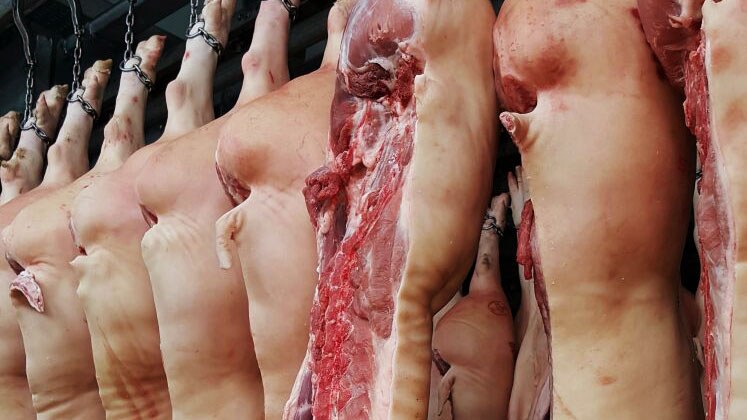
Brazil is currently the fifth-largest swine producer in the world. The USDA forecasts that in 2026 swine production will increase 3.2% to 50.4 million head. This forecast is based on expected strong external demand, positive domestic demand, increased availability of feed due to record corn and soybeans crops, and devalued domestic currency – making Brazilian pork cheaper for international markets. Following a year of historically high profit margins for swine producers, 2026 is forecast as another profitable year for the swine industry. Industry has increased domestic production driven by lower production costs and increased external demand.
Increased slaughter is expected in 2026, reaching 49.2 million hogs, a 3% increase from 2025. This forecast expects steady positive external demand for pork products globally. In 2025, 73.4% of national production occurred in the southernmost region of Brazil. According to MAPA, the state of Santa Catarina was responsible for 32.3% of slaughter in Brazil, followed by Paraná with 21%, and Rio Grande do Sul with 20% of total slaughter.

Brazil is the world’s fourth-largest pork producer in the world, behind China, the European Union, and the United States. The USDA forecasts pork production to increase 3% to reach 4.9 million metric tons carcass weight equivalent (MMT CWE) in 2026. The increased availability of feed, increasing domestic consumption, firm external demand, and efforts to diversify markets are expected to incentivize production.
Pork consumption in Brazil is expected to increase by 1% in 2026 to 3.07 MMT CWE. The increase is due to improved availability of pork domestically and price deflation on pork and pork products. The remainder of the increased production will be directed to exports.
Brazil is the third-largest pork exporter in the world, a position it is forecasted to maintain in 2026. USDA forecasts a 7% increase in exports in 2026, reaching 1.83 MMT CWE. The export forecast is based on increased pork availability, firm external demand, increased purchases from new markets, furthering exports to existing consumers, and the sanitary status of Brazil versus its competitors who are facing challenges with ASF – particularly Europe. Exports are expected to represent 37% of total production.
March 5, 2026/ USDA/ United States.
https://apps.fas.usda.gov