


























 0
0
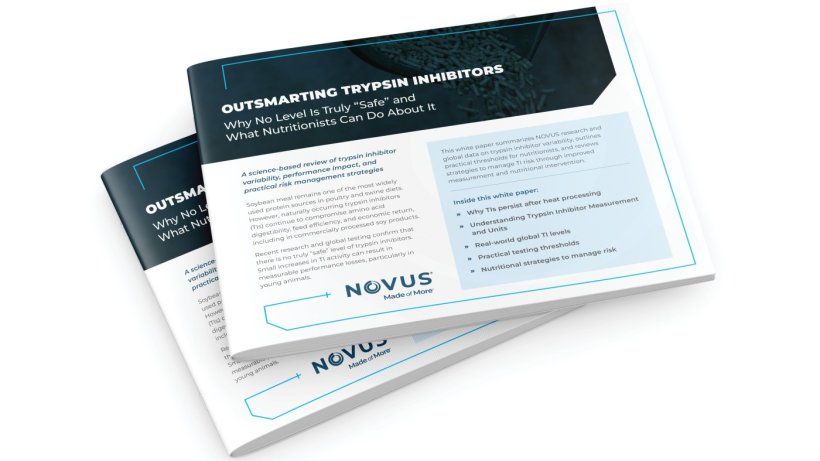
 A new white paper from NOVUS draws on more than a decade’s worth of data to explain why trypsin inhibitor (TI) in soybean meal is a persistent and often underestimated challenge in modern feed formulation.
“Soybean meal is the greatest protein contributor in most diets, yet its nutritional value is often assumed rather than measured,” says Rasha Qudsieh, NOVUS global enzymes and microbials senior manager. “Our data from more than 1,900 soybean meal samples globally shows that trypsin inhibitor levels are highly variable across regions, years, and processing methods, and even small increases in TI can negatively impact amino acid digestibility, feed efficiency, and animal performance.”

Trypsin inhibitors are part of a plant’s natural defenses that also interfere with protein digestion. While commonly associated with under-processed soy, NOVUS research found that TI can persist even in commercially processed soybean meal with measurable effects on gut health and growth in both poultry and swine.
“We’ve analyzed hundreds of soybean meal samples globally, creating an extensive database on trypsin inhibitors. We’ve also invested years developing practical methods to measure TI accurately,” says Paula Fisher, NOVUS analytical services senior manager. “This paper shares what we’ve learned and explains why routinely monitoring TI is becoming increasingly important for nutritionists who want consistency in animal performance and predictability in their financial returns.”
The white paper called Outsmarting Trypsin Inhibitors includes information on:
- Why there is no “safe” level of TI where animal feed is concerned
- How TI levels vary globally and across soybean products
- Why heat processing alone does not eliminate risk
- The documented impacts of TI on poultry and swine performance
- Practical strategies for measuring and managing TI-related risk
NOVUS plans to update the white paper annually to reflect new information collected in its Global Trypsin Inhibitor Database, providing the industry with an evolving view of soybean quality and TI trends.
January 26, 2026 - NOVUS
