
























 0
0
“Our youth love luxury. They have bad manners and despise authority. They show disrespect for their elders and tyrannize their teachers." Although it seems like a modern complaint, the phrase is attributed to Socrates more than two millennia ago. Since then, every adult generation has expressed discomfort with the ones that follow.
On pig farms, this phenomenon is reflected in phrases such as: “young people don't work like they used to.” However, beyond technological innovations or changes in education, the truth is that the principles of human behavior remain universal. And therein lies the key to ensuring that intergenerational teams do not become a source of tension, but rather a source of strength.

Longer youth, different context
Today, the period of youth lasts longer than it used to. Increased life expectancy, delayed marriage and childbearing, economic difficulties in accessing housing or stable employment, and the need to spend more years in formal education have prolonged the transition to full adulthood.
This means that many young adults arrive on farms with more education, greater affinity for technology, and high expectations for flexibility. Experienced workers, on the other hand, value stability, proven routines, and respect for their acquired experience. The challenge for leadership is not to wait for young people to “mature,” but to accompany them and, above all, to take advantage of the wealth of perspectives that both groups bring to the table.
Universal needs we share
Beyond generational differences, people share the same basic motivations described by psychology (Deci & Ryan, 2000). These needs are expressed in different ways, but they are common to everyone:
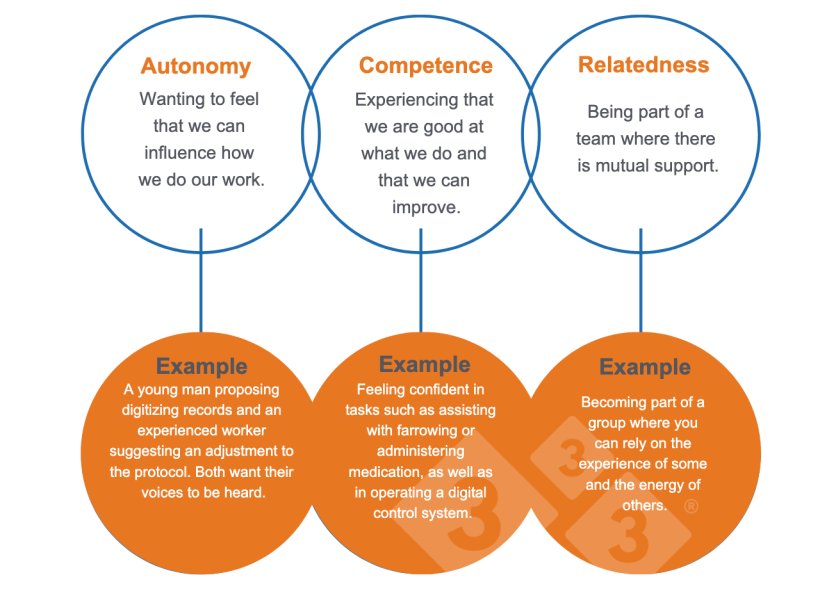
Figure 1. Universal needs we share (Deci & Ryan, 2000).
From tension to complementarity
In everyday farm practice, conflicts often arise in the use of technology, compliance with protocols, or communication style with leaders. But these same scenarios show that complementarity can be very productive.
Benefits of intergenerational complementarity on pig farms
| Contribution of experienced workers | Contribution of young people | Results when integrated |
|---|---|---|
| Empirical knowledge about farrowing or animal management | Use of technology and data for systematization | Improved protocols and reliable records |
| Experience in resolving unforeseen events | Ability to question and propose improvements | Practical innovation on the farm |
| Vision of stability and continuity | Energy and openness to change | Culture of continuous learning |
A clear example is the farrowing room: An experienced worker intuitively identifies that a sow will have complications, while a young worker proposes recording these signs in an app to generate alerts. When both contributions are integrated, efficiency is strengthened, and the survival of more piglets is ensured.
Risks of not integrating and benefits of doing so
Intergenerational integration is not optional: Farms that fail to manage these differences run risks that directly affect their productivity and sustainability.
| If differences are not managed... | If perspectives are integrated... |
|---|---|
| High turnover, especially among young staff | Retention and engagement across all ages |
| Loss of empirical knowledge | Knowledge transfer between generations |
| Resistance to innovation | Improved productivity and efficiency |
Conclusion
Complaints about young people have always existed, but today's context requires us to be more aware of how we manage intergenerational teams. In pig production, where good coordination and efficiency are key, it is not enough to simply “tolerate” differences: it is about recognizing that all workers, regardless of age, share universal needs.
When leadership succeeds in integrating the perspectives of young people and experienced workers, farms not only avoid conflict but also turn diversity into a competitive advantage. And in a sector like this, that makes a critical difference.