























 0
0
The increase in sow mortality is a global trend seen in different countries and production systems. However, when we look at Denmark's most productive farms, some of them also have low sow mortality rates highlighting the importance of management.
What are the main steps if you are looking to improve sow survival?
First and most important is the commitment of the farm owner and their willingness to change. If the person that oversees the farm is not ready to motivate the staff and make room for changes, no effective action could be implemented. Management is THE key factor in reducing mortality and it has to do with people, its attitude to change and the care they provide for animals. Good managers motivate the staff to do the right thing every day, all year round. They provide clear instructions to the staff, defining and prioritizing key tasks such as looking at the animals.

Review the quality of the data available for your own farm. That will allow the farmers to focus on the problems on their own farm. In Denmark, the farms can use SEGES Insight to compare themselves against other farms plus also receive routine reports. The codes for mortality need to be limited to the most relevant and the staff need to use them properly to be able to perform a good analysis.
Review the rearing of the gilts. The future breeding stock is a key element of the farm and they should be treated accordingly. Too often they are mostly forgotten and do not receive the right care to ensure they have a productive and long life afterwards.
- Feeding the gilts has a great impact on their longevity ensuring that they have the right body condition and development at first mating (Feeding the DanBred gilt for prolificacy and longevity (1 of 2)).
- Housing: It is beneficial to provide the gilts with plenty of space (2 sq meters recommended) and a very intense daily supervision. Also, the facilities for gilts need to consider the real replacement rate to avoid overstocking in the gilt area at all costs.
- Selection: It is important to select between gilt to make sure that only the most robust/strong gilts are serviced.
Focus on the quality of the sows at mating: Implement protocols of decision making on every sow at key moments to decide if she is fit for the next cycle. Focus on production results but also on claw/lameness/well-being.
Better a sow in the lorry and receive the cull money than in the container of dead animals
If a sow has a very high chance of not being fit enough to deliver a new litter, it is always better to send her to slaughter at weaning and receive some money rather than investing money and effort in mating a female with very poor chances of delivering an extra litter.
Also, we need to consider that in Denmark, only animals fit to walk to the lorry can be loaded for slaughter and otherwise they must euthanized on-farm.
The sows give plenty of information but to get it, the staff needs to pay attention to the animals! For instance:
- Is she walking properly when the sow moves into the farrowing pen?
- How are her legs and claws?
- Is she coming from a hospital pen?
- Did she receive many treatments?
- Is it too scratched?
These observations will give very valid information to see which sows have a high chance of needing culling at weaning and will allow a better planification of the gilts that need to be introduced in the mating batch.
At the farrowing section: how did she perform at farrowing and weaning? how old is she? Is she fully sound on her 4 legs?
Mixing sows: a high-risk moment
Sows that are already slightly lame at mixing get worse during gestation because mixing is a large risk factor. In Denmark, SEGES has completed experiment with focus on reducing the risk of lameness during mixing.
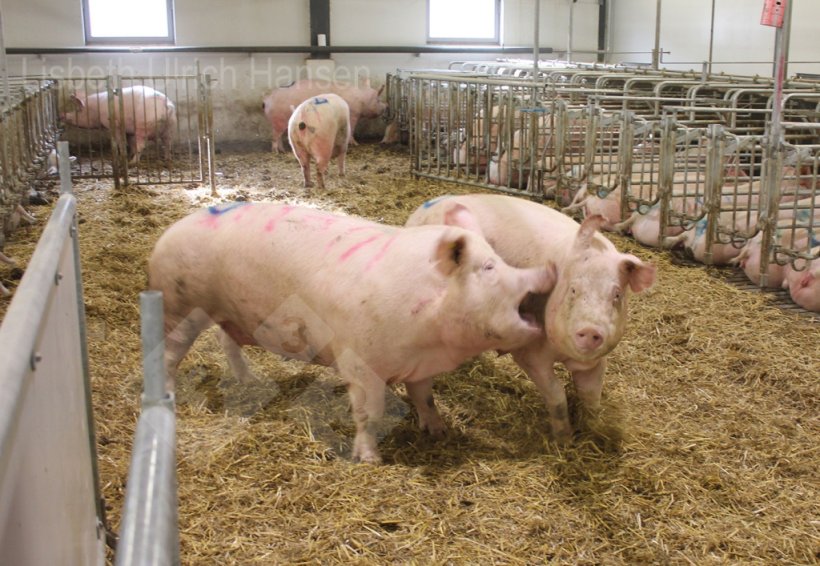
In the experiment, the sows were mixed at weaning and housed in pens with deep bedding and free access stalls. There were 4 groups: 3 vs 5 square meters/sow and lock/confined in stalls vs no confinement in stalls when sows were coming into heat.
The recommendation after the experiment are still 3 square meters/sow and confined in stalls during heat
Daily supervision of animals: It is important that the staff makes a thorough daily supervision of every single sow.
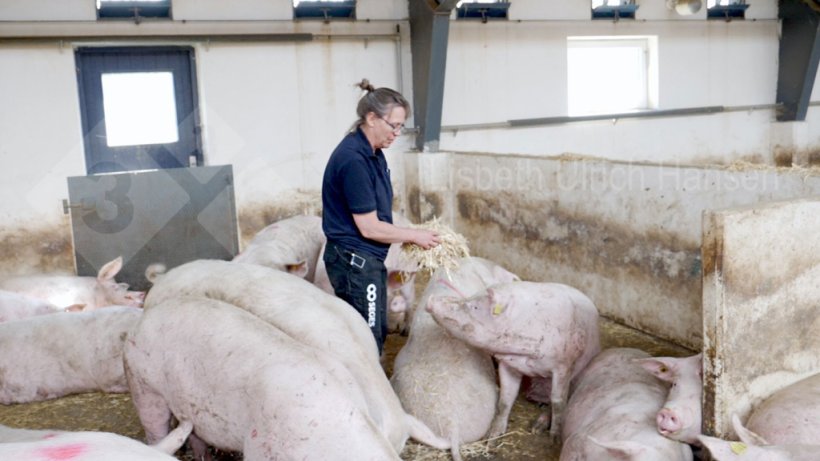
Even with a feeding system/technology such as ESF, it is important to evaluate the sows and make the best management. It is important how the setup of the ESF system is done.
- How is the set up of the alarm list?
- When is the feeding day starting?
Gestating sows being in a restricted feed regime, have a huge drive to eat their full daily allowance. If the daily allowance starts at midnight, the high ranking sows will be eating mostly at night and give enough time for lower ranking sows to eat during the morning. If you look at the alarm list early in the afternoon, it will provide an early indication of the sows that have some problem eating their full ration.
When a sow is on the alarm list of the ESF system, it is important to help her the same day
Also, close supervision during a critical time such as farrowing helps, not only the piglets but also the sows.
Good hospital pens
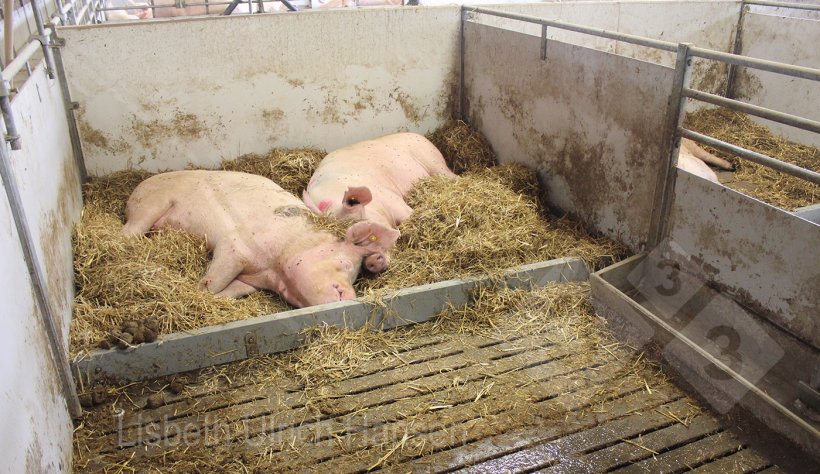
Most of the time when sows are euthanized on farm, it is due to lameness. To recover lame sows, the hospital pens need to provide soft bedding. The chances for a full recovery of the lame sow is lower on fully slatted floor or concrete floor.
Also the location of hospital pens is important. First considering that most of the sows moved to them are lame and not easy to move. And secondly, the easier to move a sick sow, the more likely that staff will remove them from the group/gestation pen.
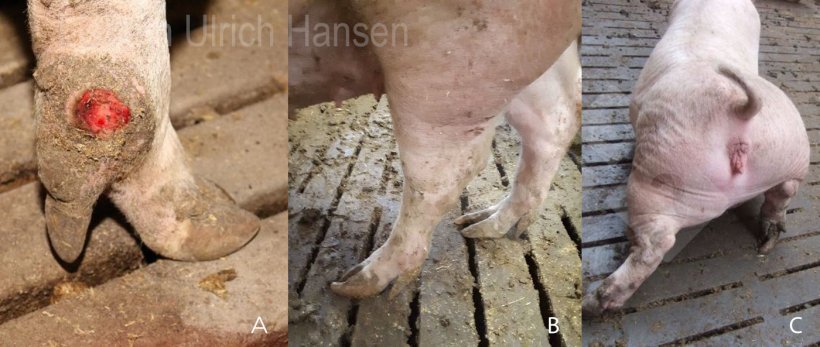
Hoof quality and claw trimming is an issue that is also drawing attention. We are working on preventive measures, trying to take corrective action before problems arise.
Feed quality
When we look at sow sudden death on the farm, feed quality, toxins, hygiene of feed delivery system are also key areas to be reviewed.
To improve sow mortality takes a lot of time and it is basic that the owner/manager is convinced and leading the project. Many times during the process, you will need to draw a line and start to do things in a different way to achieve significant results.