

























 0
0
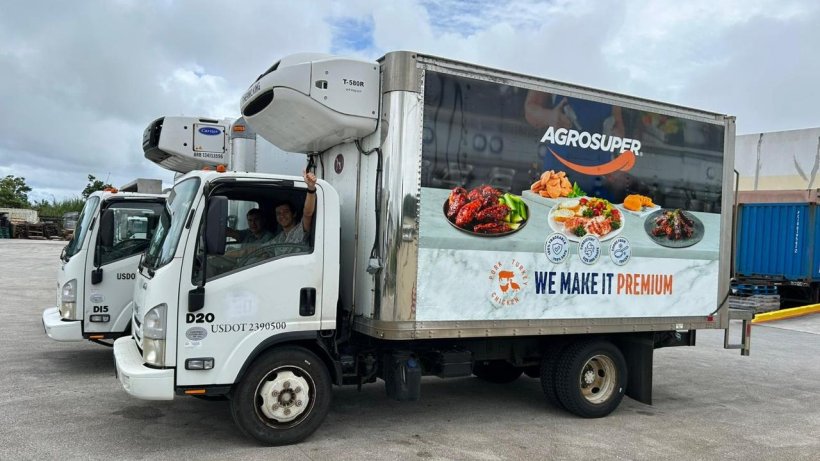
 The Southeast Asian tourism boom of recent decades has allowed the world to get to know the gastronomy of countries like the Philippines—a destination that surprises its visitors with its famous markets, exotic foods, and animals, but also for its high protein consumption.
One of these proteins is pork, which represents 60% of the consumption in this country, averaging between 12 to 16 kilos per capita per year. This internal demand has led the country to increase its meat imports, with Chile being one of the main suppliers for this market. According to data from ChileCarne, Chile exports 7,942 tons of pork per year to the Philippines. This is joined by poultry shipments, which reached 12,752 tons last year, representing a 7% share in the imports of that product.

In that context, at the end of 2025, the national agribusiness received great news: the Philippine Department of Agriculture (DA) accredited 13 Chilean animal production plants for three years to export to this Asian country. This includes the total rehabilitation of pork and poultry plants and, for the first time, the authorization of Agrosuper’s Lo Miranda Plant, one of the company's main production sites.
In simple terms, the accreditation of a plant means that it complies with all the sanitary requirements demanded by the country that authorizes it, allowing the products produced there to be exported to that destination. Collaborative work between Chilean and Philippine authorities was key to reaching this milestone, which will be essential to continue consolidating the diversification strategy of national exports, according to ChileCarne. “If, in addition, progress is achieved in the trade agreement that has been under negotiation since last year, the Philippines will consolidate itself as Chile's entry market for the countries of the Association of Southeast Asian Nations (ASEAN),” added Juan Carlos Domínguez, president ChileCarne.
Agrosuper in the Philippines
In 2021, Agrosuper put the Philippines on its map due to the high pork consumption that exists in the country. Initially, pork was precisely the focus of shipments, but over the years, the door was opened to poultry.
Additionally, they have been increasing their presence in strategic parts of the country (such as Luzon and Cebu) to increase their penetration and direct relationship with clients who are largely industrial, local distributors, and the hospitality sector.
Currently, the company exports a wide variety of products to this market, with pork skins, livers, and fats, and poultry skin, paste, and boneless leg meat as protagonists. Its presence in the Philippines has been growing significantly over time. In 2025, they shipped 15,754 tons to this country, representing an 83% growth compared to the previous year. This increase is even more relevant when viewed in terms of revenue, which reached US$ 12.7 million, growing by 148% over 2024.
The company views the recent accreditation of its Lo Miranda plant for this market very favorably, as it will allow them to increase their offer and grow in export volume. “The recent authorization reinforces our position in the Philippines and allows us to gradually expand our offer toward this market. With this accreditation, we project sustained growth in our exports, consolidating the Philippines as a relevant destination within our strategy in Asia Pacific,” stated Nicolás Rosenfeld, Agrosuper’s International Sales Manager.
Hand in hand with Agrosuper, Chile is entering to compete directly with major meat exporters to the Philippines, including countries such as the United States, Canada, Brazil, and Spain. “Asia Pacific is a priority axis within our international strategy. In that context, the Philippines represents a concrete growth opportunity, where we have a competitive and diversified offer to respond to the market demand, strengthening long-term relationships with our clients,” added the executive.
Agrosuper projects that shipments to the Philippines could reach 20,000 tons during 2026, which is consolidating this country as one of the most relevant markets in the Asia-Pacific region.
March, 2026 - Agrosuper