

























 0
0
At the beginning of the month, a noticeably tight supply of slaughter-ready pigs met with lively demand. Many animals were marketed quickly, and in some cases traders even had to actively source additional batches to meet the needs of slaughterhouses. This constellation pushed prices upward, with quotations gradually rising and settling at around €1.70 as the month progressed.
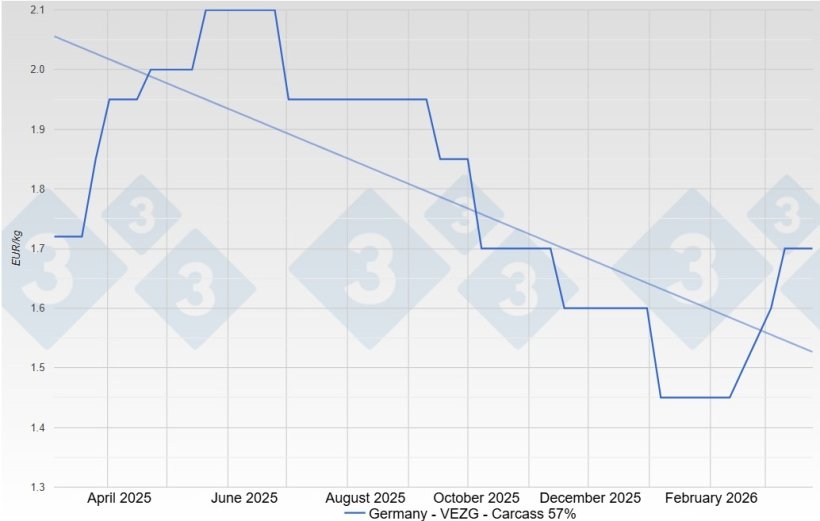

At the same time, the situation on the meat market remained a key limiting factor. While early spring temperatures and a slightly improving demand provided some momentum, slaughter companies consistently reported difficulties in fully passing on higher purchase prices to the market. This tension between a firm live market and a sluggish meat trade shaped the mood throughout much of the month. Reports of difficult marketing conditions repeatedly dampened the positive trend and curbed optimism. Toward the end of the month, however, a more balanced picture emerged. The previously tight supply eased somewhat as more animals were delivered in the run-up to the Easter holidays. Supply and demand came back into better alignment, stabilizing prices and bringing a sense of calm to the market.
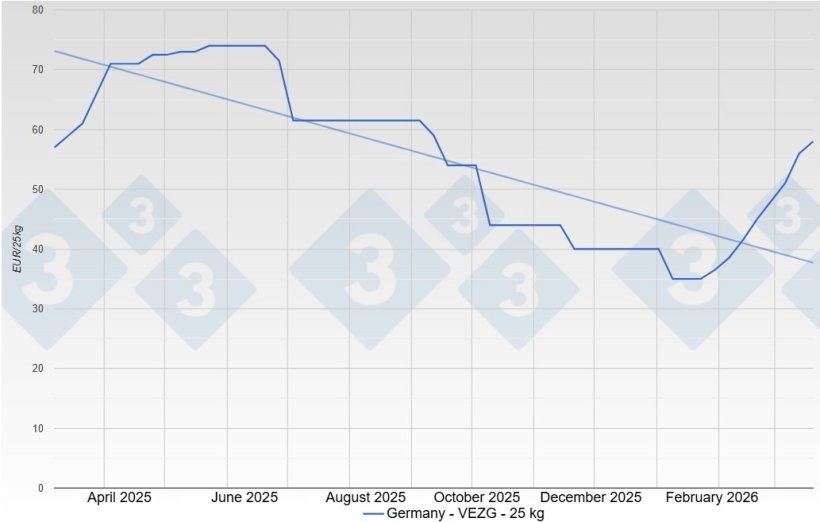
The piglet market showed a much more dynamic development in March. Throughout the entire month, supply remained tight while demand stayed strong. Piglets were placed quickly, often with waiting times. As a result, the upward price trend from February initially continued before signs of stabilization appeared toward the end of the month. This development reflected the generally positive feeling in finishing operations, even though the economic situation on many farms remained strained and margins were still insufficient to provide lasting relief.
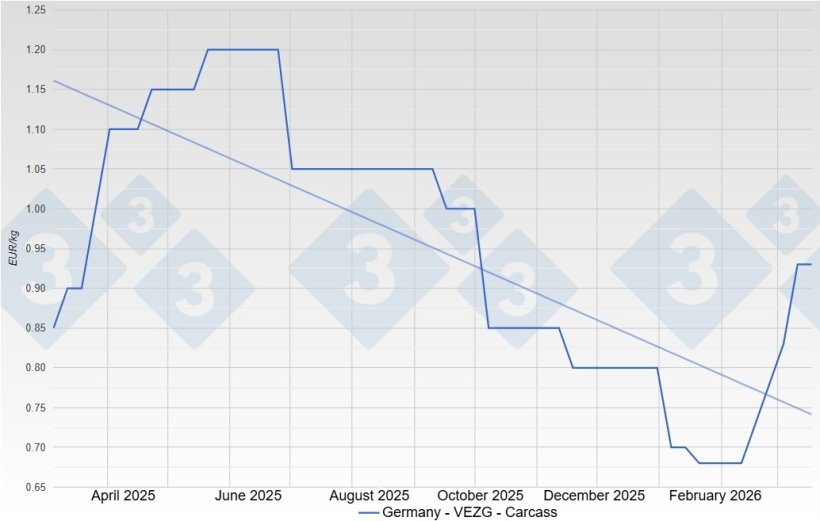
The slaughter sow market however, painted a more differentiated picture. Supply was not excessive and could be marketed without difficulty, yet demand for sow meat remained subdued. High inventories on the buyer side and an overall sufficient supply ensured that prices moved sideways with little upward momentum. As a result, the sow market remained overshadowed by the more dynamic developments in slaughter pigs and piglets.
Important political and structural signals for the swine industry in March
The discussion around the further development of the “Initiative Tierwohl” once again gained importance. The planned phase-out of the piglet fund by the end of 2026 and the full transition to complete traceability from birth by 2027 pose significant challenges for many farms. In particular, production chains that have so far often only been partially integrated are coming under pressure. Many market participants still see considerable need for clarification, as existing supply relationships and structures cannot be adjusted easily.
At the same time, it became clear that regulatory issues continue to have long-term effects. For example, the implementation of the European Industrial Emissions Directive for livestock farming is not expected to take effect until 2030, giving farms at least some short-term planning security. Nevertheless, adjustment pressure remains high, as increasing environmental and animal welfare requirements are likely to further reshape the sector and make investment decisions more uncertain.
International context: European pig market remained generally firm, albeit with regional differences
In many countries, prices increased in line with Germany, supported by an overall tightening supply. At the same time, however, external factors weighed on the outlook. In particular, export barriers such as trade restrictions or animal diseases led to more product remaining within Europe and entering the internal market. Spain played a special role in this, as despite restrictions, large volumes continued to be produced and had to be marketed more heavily within the European domestic market. As a result, the European meat market remained well supplied overall, limiting the scope for further price increases, even though a slight tightening of supply conditions and declining slaughter weights have recently been observed. Differences between countries also became evident, as some markets reacted more dynamically while others remained at lower levels with less upward potential.
Looking at the broader picture, the structural change in European pig production is expected to continue. Forecasts suggest that production in the European Union will decline in the coming months. This is driven not only by economic pressure but also by increasing regulatory requirements and political uncertainty. While some regions may be able to maintain or even expand production, Western European countries in particular are likely to face further adjustments that will also affect Germany.
For the coming weeks, the market is expected to remain delicately balanced. On the one hand, there are clear indications of a fundamentally stable to firm development. The supply of slaughter pigs is likely to remain limited, and seasonal factors could further stimulate demand on the meat market. On the other hand, structural challenges persist. The limited capacity of the meat market to absorb higher prices, international trade restrictions, and political conditions all set clear limits.
The key question will be whether it is possible to strengthen demand, particularly in export markets, while at the same time adapting domestic structures. If supply continues to decline, this could provide support in the medium term. In the short term, however, the market is likely to remain relatively calm, with stable prices and only moderate fluctuations. For producers, this means a phase in which a certain degree of confidence is returning, but real relief has not yet been achieved and many farms still need to make careful calculations.