
























 0
0
The conflict in the Middle East is generating a strong impact on agricultural production costs globally, especially in fertilizers and key raw materials, according to the report "Conflict in the Middle East: Impact on global food and agribusiness" by Rabobank.
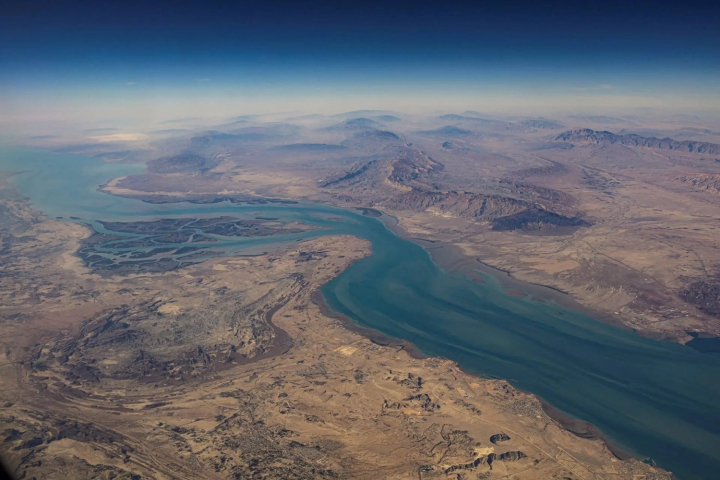
According to Rabobank, the disruption of maritime traffic in the Strait of Hormuz is directly affecting the global fertilizer market, as between 25% and 30% of global nitrogen exports transit through this route. This situation has led to an almost total drop in vessel traffic and an immediate increase in prices, with rises of 20% in North African urea.

In addition, according to Rabobank, the increase in gas prices —key in fertilizer production— has been very significant, with increases close to 70% in the EU during the first week of the conflict. This directly impacts the cost of manufacturing ammonia and derivatives, increasing the final price for the farmer.
The Rabobank report also highlights the risk of additional supply disruptions, such as the closure of urea plants in Qatar, which could further aggravate market tensions. In a prolonged scenario, the bank foresees structural price increases, wit potential rises of 20-30% in urea or ammonia.
This increase in costs has direct effect on farm profitability, as fertilizers represent between 40% and 50% of variable costs in crops. The rise in process is widening the gap between costs and agricultural process, putting pressure on margins across the entire chain.
At the same time, the report highlights that higher energy prices are increasing transport, feed, and logistics costs, directly affecting livestock sectors such as swine production. The increase in diesel and industrial inputs is transmitted throughout the agri-food chain, raising production costs.
Finally, Rabobank warns that if the conflict continues, a scenario of structurally higher costs in fertilizers, energy, and raw materials could become established, with a direct impact on the competitiveness of the livestock sector and on the profitability of swine farms globally.
March 17, 2026/ Conflict in the Middle East: Impact
on global food and agribusiness - Rabobank.
https://media.rabobank.com