























 0
0
The Council reached a provisional agreement with the European Parliament on a targeted amendment of the regulation on the common market organisation of agricultural products (CMO) as well as on the regulations governing the common agricultural policy (CAP). The agreement will give farmers a stronger negotiating position in the agrifood value chain. The updated framework supports more balanced and resilient supply chains, including making written contracts a general rule, reinforces producer organisations and contributes to greater income stability for farmers and fairer livelihoods in agriculture. The proposal also protects the denominations of meat and certain meat products to ensure consumer transparency and fair competition.
The amendments to the CMO regulation focus on several key areas to strengthen farmers’ role in the supply chain:

- making written contracts between farmers and buyers a general requirement, with strengthened provisions, including a revision clause, to ensure that long-term contracts take account of market developments, cost fluctuations and economic conditions
- simplifying the rules for the legal recognition of producer organisations
- enabling member states to provide additional financial support to producer organisations and their associations under CAP sectoral interventions
- encouraging young and new farmers to join recognised producer organisations
- defining the conditions for using optional marketing terms such as 'fair', 'equitable' and 'short supply chain' to ensure clarity for both producers and consumers
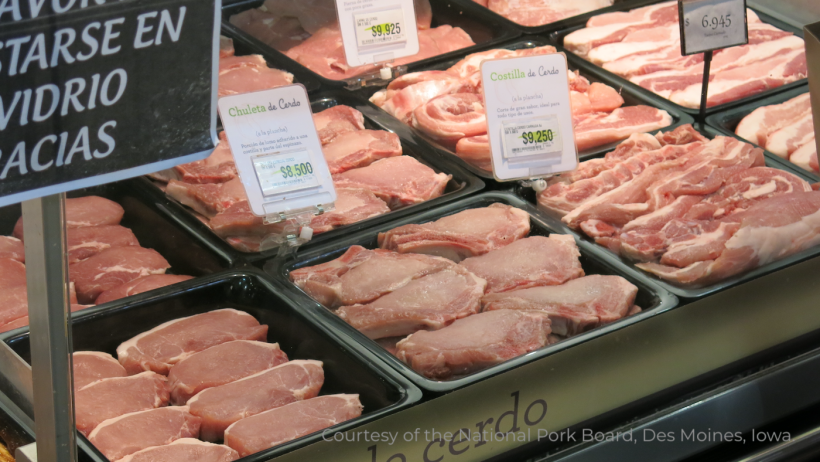
- establishing rules on the protection of ‘meat’ term and the following meat-related names: beef, veal, pork, poultry, chicken, turkey, duck, goose, lamb, mutton, ovine, goat, drumstick, tenderloin, sirloin, flank, loin, steak, ribs, shoulder, shank, chop, wing, breast, liver, thigh, brisket, ribeye, T-bone, rump and bacon to enhance transparency in the internal market and enable well-informed consumer choices. These terms shall be reserved for meat products only, therefore they cannot be used for products that do not contain meat such as for instance cell-cultured
The provisional agreement will now need to be endorsed by the Council and the Parliament, before being formally adopted and entering into force.
March 5, 2026/ European Council/ Euorpean Union.
https://www.consilium.europa.eu