























 Company
Vilomix
Denmark
15
Publications
152
Followers
Company
Vilomix
Denmark
15
Publications
152
Followers
Raising healthy piglets in the post-weaning phase


Fresh feed, plenty of water and a warm, clean barn are key factors for uniform, cost-efficient growth.
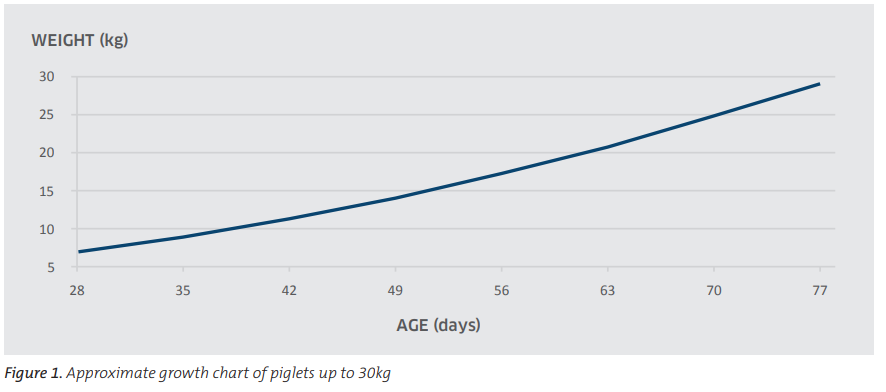
Weaning is a critical period in piglet production, where the ultimate goal is to produce healthy and uniform pigs with high growth, low feed conversion and low use of medicine. In the growth phase up to 30kg (figure 1), producers look to satisfy the animals’ needs for nutrients and energy with a sharp focus on cost minimisation.
The first step to optimum growth and productivity is to move the piglets to a warm, clean and dry barn and provide dry feed, porridge or milk soup to optimise feed intake. For the best possible feed conversion, the taste, structure and freshness of the feed are all key factors.
From an overall quality perspective, care should also be taken to ensure the feed is free of unwanted substances such as mycotoxins.
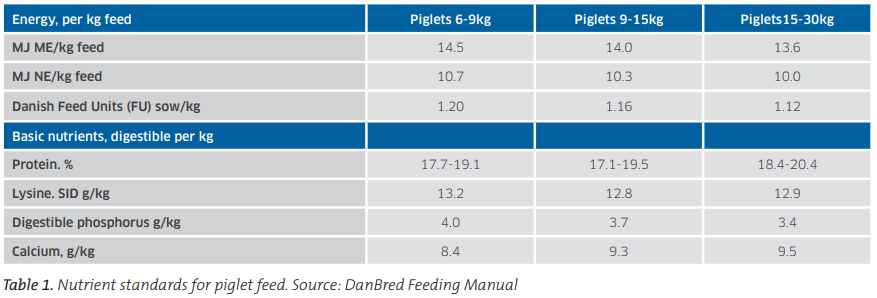
A typical dry feeding system is based on two to three mixes plus an optional special feed with additional milk for piglets with a low weaning weight. At Vilomix, we recommend that pig producers follow the current nutrient standards and comply with the indicative inclusion percentages (table 1).
Recommendations for the ideal feed
The pre-starter mix should be given im mediately before and until around two weeks after weaning, ideally containing easily digestible ingredients that support the development of the intestine and minimise stress on the intestinal wall. Soya protein concentrate, fish meal, milk products, blood plasma, potato protein and heat-treated grains are good raw materials for this purpose.
For piglets from 9kg to 15kg, the mix should contain maximum 15% soybean meal and 3-4% fish meal or another highly digestible protein source, avoiding rape and sunflower seed. From 15kg to 30kg, the ideal feed composition is maximum 22% soybean meal and preferably 1% fishmeal or potato protein. Alternative protein sources, including sunflower, rapeseed and pea, may be introduced at this stage.
As high dosages of zinc oxide are no longer permitted, the use of additives is important to support piglet health and maximise feed utilisation. Organic acids are eg. very effective against harmful microorganisms and providing better conditions for beneficial microflora. The right dosage and combination of acids are key to their effect.
Changes in the feed mix can cause diarrhoea in weaned piglets. For this reason, it is important to make a gradual shift to each new mix over the course of a week. During the first week after weaning, a good feeding strategy is to maintain feed intake at 150g a day first 3 days, gradually increasing intake towards the end of the week. Ad libitum feed can be given from week 2.
Water consumption also increases from one to two litres per piglet a day after weaning to five litres when they reach 30kg. Before piglets are transferred to the facility, it is important to check the fresh water output of the drinking system and its capacity for meeting the needs of the entire piglet herd.
Contact:
Contact us using the following form.