























 Company
BASF
Other
1
products
28
Publications
278
Followers
Company
BASF
Other
1
products
28
Publications
278
Followers
Difference between an infestation and a settlement


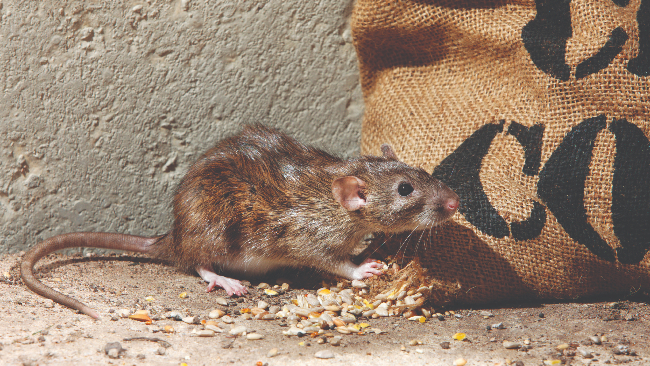
To achieve effective rodent control, regardless of the products used, it is important to understand rodent behavior and especially their neophobic behavior (fear and subsequent avoidance of any new object). Whether the population is an infestation or a settlement determines this behavior. Below we highlight the key points of difference between these two types of pests:
INFESTATION
- Rodents enter buildings in search of food, water and shelter.
- Typical case: Urban environments (schools, restaurants, etc.)
- Characteristic rodent species: R. Norvergicus / mice
- Urgency of control (sensitive/delicate places)
- Need to find something to eat (will eat rodenticide bait quickly)
- Population much smaller in number (dozens).
SETTLEMENT
- Rodents have been living there for a long time (generations of "squatters").
- Typical case: livestock farms
- Characteristic rodent species: R. Rattus
- Always the same food (livestock feed) for a long period of time -- neophobia to any kind of bait
- Large number of alternative food sources (no need to eat rodenticidal bait)
- Population with a huge number of individuals (we are talking about hundreds/thousands)
If it is an infestation, rodents enter buildings looking for food, water, and shelter. Therefore, neophobia is minor or hardly present since everything is new to them.
On the other hand, in a settlement, neophobia will be much greater because they are settled in an area where they already have food, water, and shelter and any external element that we introduce will cause distrust. Rodents are always eating the same food (livestock feed) for a long period of time, which makes them show neophobia to any type of bait. In addition, they have a number of alternative food sources available to them (they do not need to eat the rodenticide bait).
Thus, when a settlement is identified, it will have to be taken into account that neophobic behavior may prevail, so a comprehensive control program is essential to avoid creating selection for this neophobic trait.
Follow BASF profile and don't miss anything!
products
Contact:
Contact us using the following form.